


 Español


Industry News ·
Industry News ·
Industry News ·
Industry News ·
Industry News ·
Industry News ·
Industry News ·
Industry News ·
Industry News ·
Industry News ·
Industry News ·
Industry News ·
Industry News ·
Industry News ·
Industry News ·
Industry News ·

Single Wall vs. Double Wall Paper Coffee Cups: Which Offers Better Thermal Insulation?
Content
- 1 Understanding Cup Construction: One Layer vs Two Layers
- 2 Thermal Insulation Performance: Which Cup Keeps Coffee Hotter
- 3 Cost Analysis: Single Wall plus Sleeve vs Double Wall
- 4 Customer Comfort and Brand Experience
- 5 Environmental Impact: Material Use and Recyclability
- 6 How to Choose the Right Paper Coffee Cup
- 7 Frequently Asked Questions
- 7.0.1 Q1: Are double wall paper coffee cups always better than single wall cups?
- 7.0.2 Q2: How much longer do double wall cups keep coffee hot?
- 7.0.3 Q3: Can I use double wall cups for cold drinks?
- 7.0.4 Q4: Do double wall cups support custom printing?
- 7.0.5 Q5: Are double wall cups recyclable or compostable?
- 8 Final Thoughts
Choosing the right disposable coffee cup is about more than appearance or price. For coffee shops, takeout restaurants, and office cafeterias, the cup determines how a hot drink feels in the customer's hand, how long it stays warm, and how much every serving costs. When the choice comes down to single wall vs. double wall paper coffee cups, thermal insulation is usually the first question buyers ask.
This guide compares the two cup constructions side by side, looking at structure, heat retention, cost, hand comfort, environmental impact, and the serving scenarios where each type performs best.
Understanding Cup Construction: One Layer vs Two Layers
A single wall paper coffee cup uses one layer of food-grade paperboard, coated inside with a thin PE or PLA film to prevent leaks. Because only one barrier exists, heat passes through the wall quickly, and the exterior can feel hot within seconds.
A double wall paper coffee cup wraps a second paper layer around the inner cup, leaving a small air gap between the two walls. That trapped air works as a built-in insulator, slowing heat transfer and keeping the outer surface noticeably cooler while preserving the drink's temperature for a longer period.
| Structural Feature | Single Wall Cup | Double Wall Cup |
|---|---|---|
| Paper layers | One | Two with air gap |
| Liquid protection | PE or PLA inner coating | PE or PLA inner coating |
| Outer surface heat | Transfers quickly | Significantly reduced |
| Best suited for | Cold drinks, tasting pours | Hot coffee, tea, espresso |
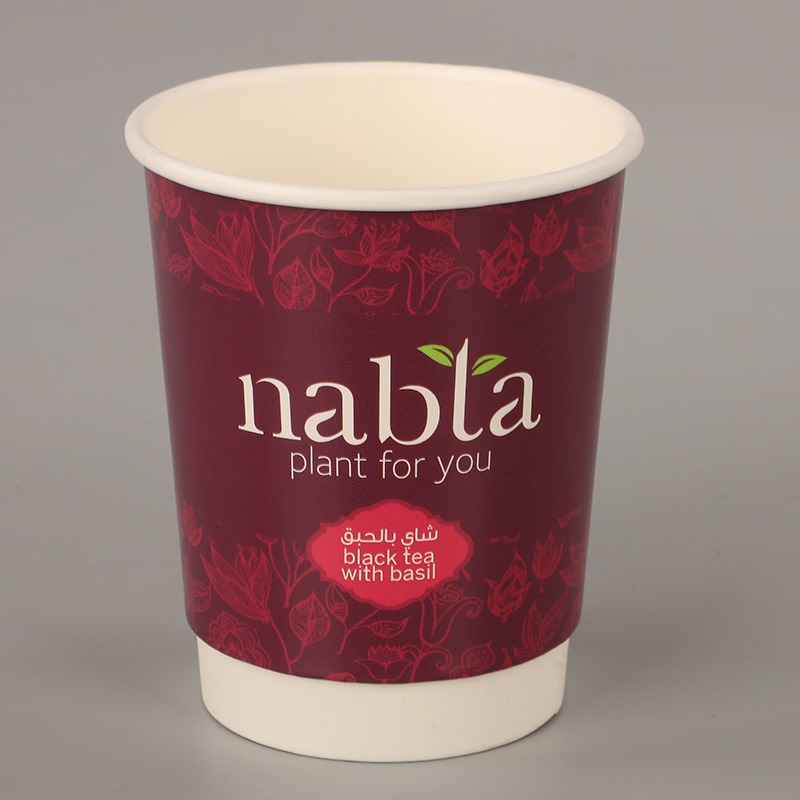
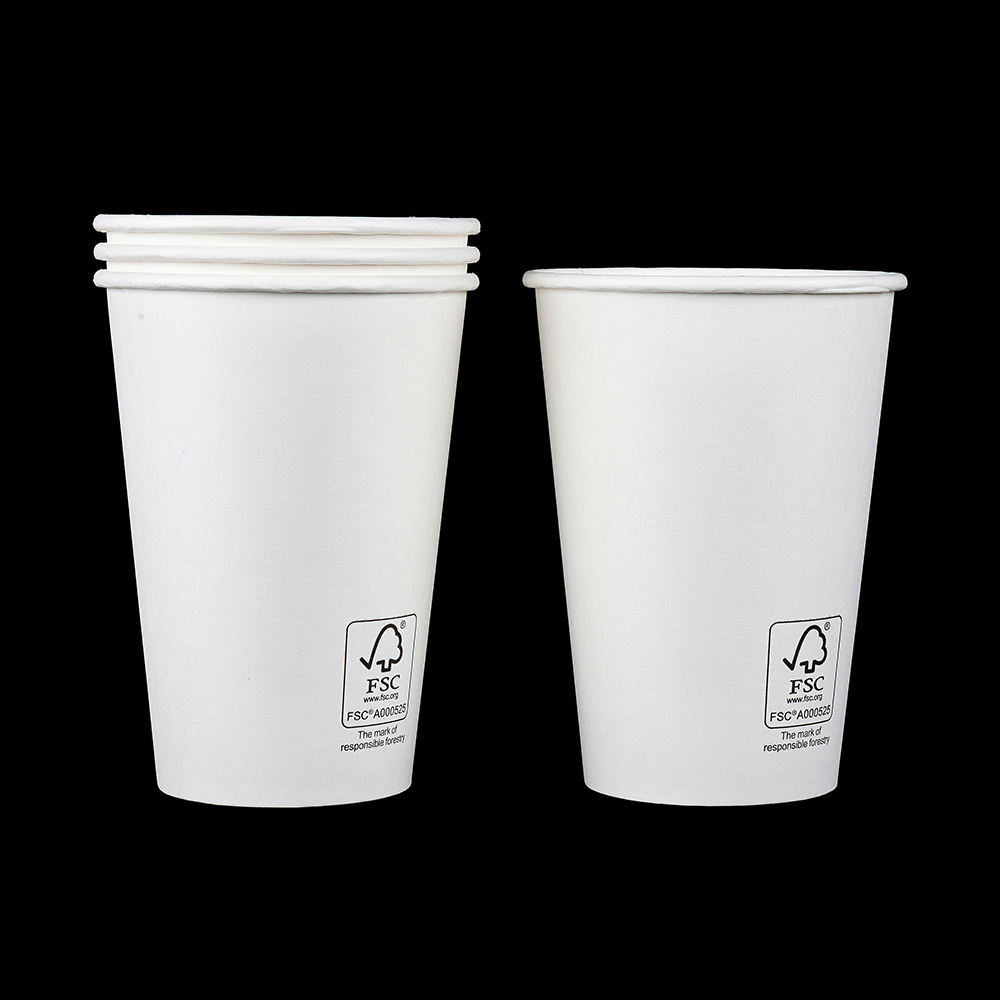 Double-Wall Paper Coffee Cup with Insulating Air GapThis double-layer paper cup uses a built-in air pocket to keep hot drinks warm and the outer surface cool, eliminating the need for an extra sleeve. Its PE coating and sturdy build suit coffee and milk tea.View Product →
Thermal Insulation Performance: Which Cup Keeps Coffee Hotter
The core advantage of a double wall cup is insulation. The air pocket between the walls has low thermal conductivity, so less heat escapes from the drink and less heat reaches your hand.
In practical terms, double wall cups hold heat noticeably longer. Industry testing commonly shows 35 to 45 percent better heat retention, measured by how long a drink stays above 60°C, versus a single wall cup without a sleeve. Even paired with a kraft sleeve, a double wall cup keeps drinks warmer because the continuous air gap covers the full sidewall, while a sleeve leaves the upper edge exposed.
Quick takeaway: If keeping coffee hot during a long commute or an extended meeting is your priority, a double wall cup is the stronger choice.
| Heat Retention Indicator | Single Wall | Double Wall |
|---|---|---|
| Sidewall heat loss | High | Low |
| Drink temperature hold time | Shorter | 35–45% longer |
| Sleeve needed for comfort | Usually required | Not required |
| Hand heat protection | Weak | Strong |
Cost Analysis: Single Wall plus Sleeve vs Double Wall
Price is where single wall cups initially look like the winner. A single wall cup is cheaper to manufacture because it uses less paperboard. However, that comparison changes when you factor in cup sleeves.
If a café serves hot drinks in single wall cups, it must buy sleeves separately. The combined cost of cup and sleeve often approaches, and sometimes exceeds, the price of a double wall cup. Double wall cups also reduce purchasing complexity: you order one SKU instead of two, so there is no need to match sleeve sizes to cup sizes or worry about running out of one component.
Labor is another cost. Skipping the step of sliding on a sleeve speeds up barista workflow during the morning rush. For cold drinks and tasting pours, though, a single wall cup is the economical choice.
Customer Comfort and Brand Experience
The way a cup feels in the hand shapes how customers perceive the drink. Double wall cups provide a smooth, stable surface at a comfortable temperature, with no extra piece sliding around. Single wall cups often require a sleeve or napkin barrier, and when the sleeve becomes wet or misaligned, the experience feels less polished.
From a branding perspective, double wall cups give your logo more exposure. The cool outer layer is less likely to be covered by a sleeve or napkin, so your printed brand mark stays visible the entire time the customer enjoys their coffee.
For takeout orders, the cup is part of the unboxing experience. A sturdy double wall cup paired with a kraft paper bag creates a cohesive, premium presentation for customers who grab coffee on their way to work or school.
Environmental Impact: Material Use and Recyclability
Both cup types use paper, but double wall cups use more paperboard per unit. Yet the picture is not one-sided. A single wall cup plus a sleeve also consumes significant material; the sleeve has its own manufacturing and shipping footprint. In many cases, the combined weight is close to that of a double wall cup.
The more important environmental factor is the lining material. PE-coated cups are difficult to recycle in standard paper streams, while PLA-coated or water-based coated cups can be directed toward commercial composting. When comparing the two cup types, ask your supplier about the coating rather than simply counting paper layers.
Businesses that need broader guidance can explore the key factors to consider when choosing eco-friendly packaging for commercial operations before finalizing their cup specification.
How to Choose the Right Paper Coffee Cup
There is no universal winner in the single wall vs double wall debate. The best choice depends on your menu, service speed, and budget. Consider these scenarios:
- Specialty coffee shops and kiosks: Double wall cups from 8 oz to 16 oz for espresso, drip coffee, and tea. The insulation keeps drinks warm and eliminates the need for sleeves.
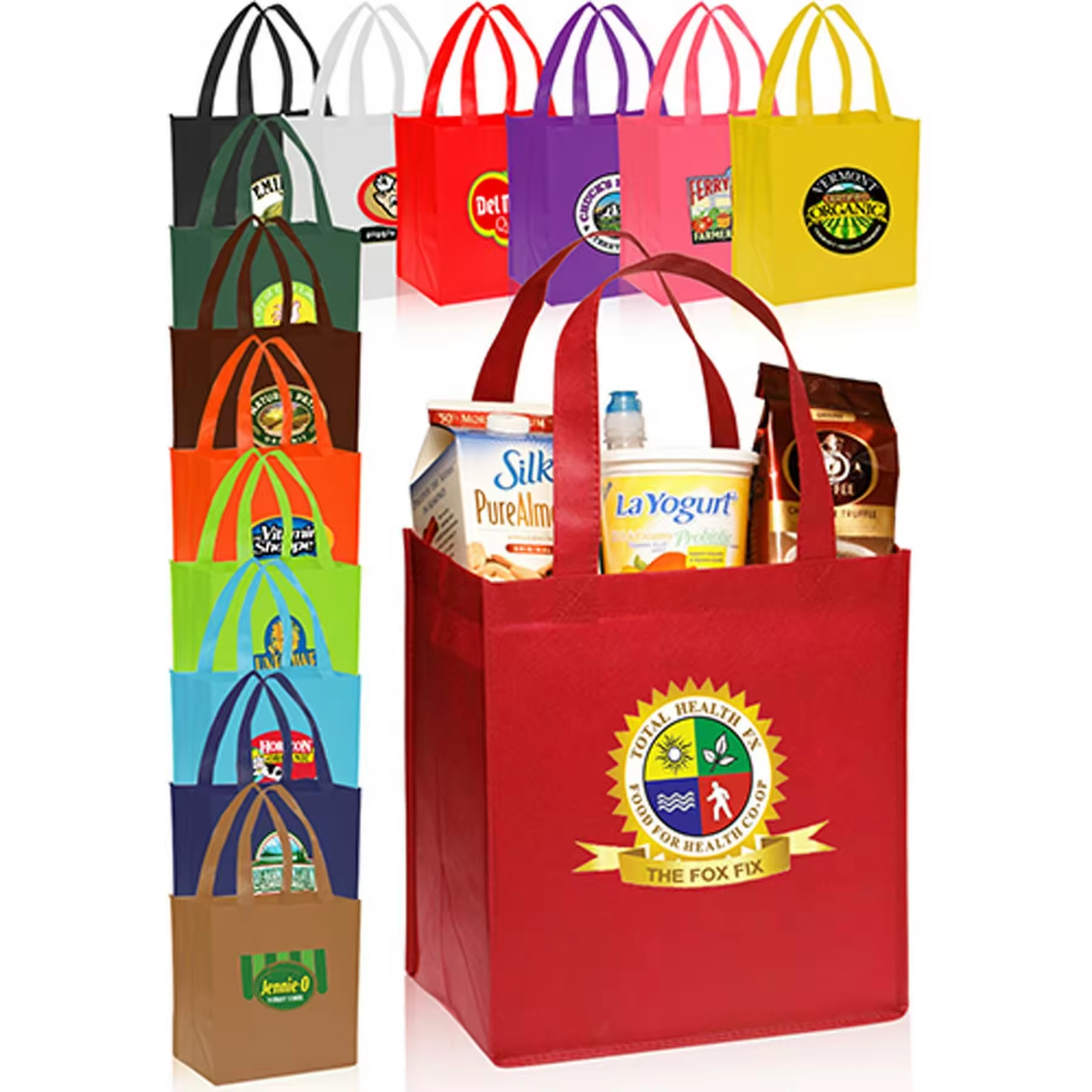
- Takeout and delivery restaurants: Double wall cups for hot beverages, paired with kraft paper bags for a complete takeout presentation.
- Cold beverage programs: Single wall cups for iced coffee, cold brew, smoothies, and room-temperature tasting samples, where insulation offers little benefit.
- Catering and sampling events: Single wall tasting cups for small pour sizes, especially when drinks are consumed quickly on site.
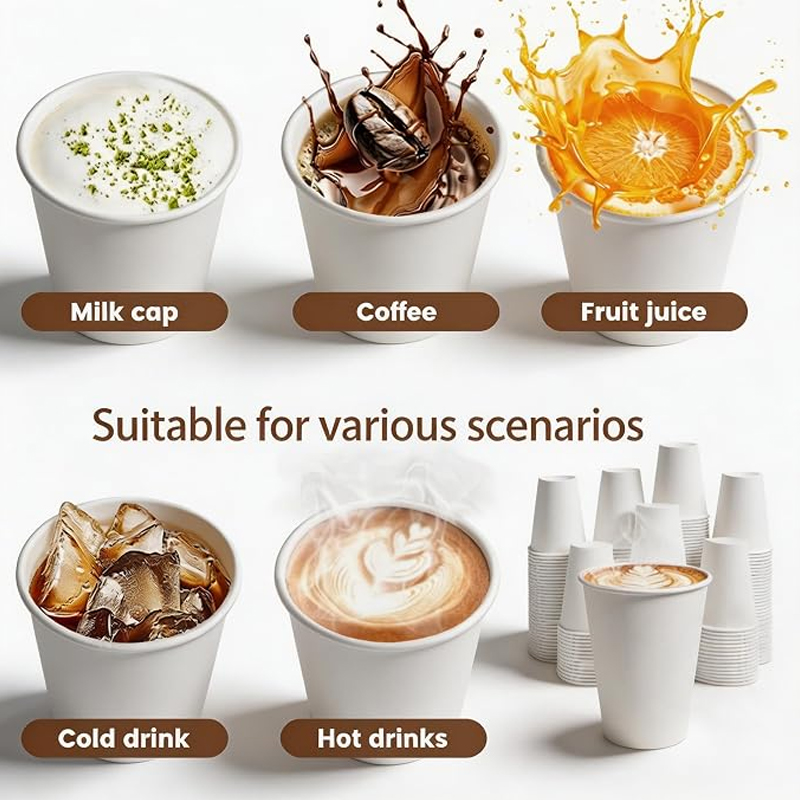
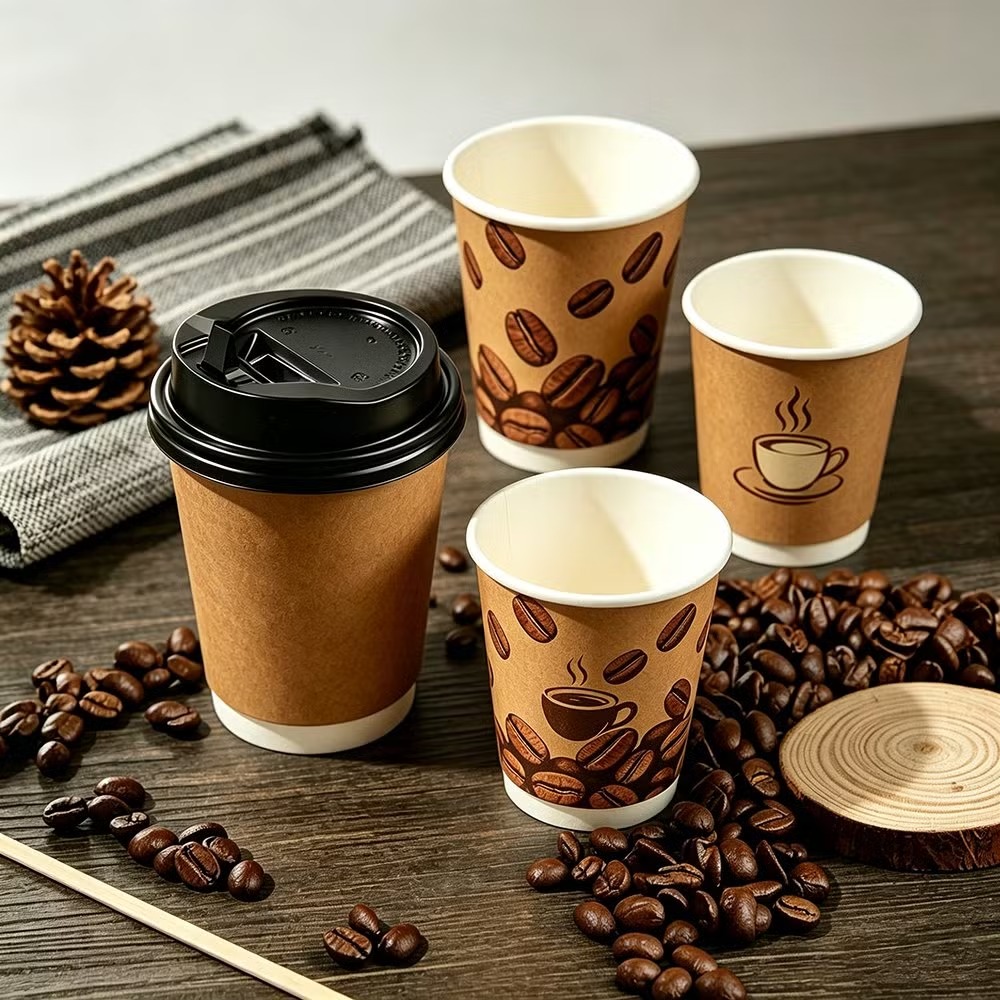 Single-Wall 160ml Paper Sampling Cup for TastingA compact single-wall cup designed for small servings and tastings. Its FDA-compliant PE coating prevents leaks, while the tapered shape allows efficient stacking and storage at a lower cost than insulated cups.View Product →
Frequently Asked Questions
Q1: Are double wall paper coffee cups always better than single wall cups?
No. For iced drinks, cold brew, or short tasting servings, a single wall cup is more cost-effective. Double wall cups earn their higher cost when serving hot beverages.
Q2: How much longer do double wall cups keep coffee hot?
It depends on drink volume, starting temperature, and ambient conditions, but typical measurements show 35 to 45 percent longer heat retention. The drink stays at a comfortable temperature for a noticeably longer period.
Q3: Can I use double wall cups for cold drinks?
Yes. The air gap also helps slow condensation, keeping the outer surface drier for a longer time. That said, single wall cups are usually sufficient and cheaper for cold applications.
Q4: Do double wall cups support custom printing?
Both types support custom printing. Double wall cups have a cool, uncovered outer layer, so your logo stays visible without a sleeve blocking it.
Q5: Are double wall cups recyclable or compostable?
Recyclability depends on the coating, not the wall structure. PE-coated cups require industrial facilities to separate the coating, while PLA-coated or water-based coated cups are more likely accepted in commercial composting streams. Confirm with your local facilities and supplier before making environmental claims.
Final Thoughts
When the question is which cup offers better thermal insulation, the answer is clear: double wall paper coffee cups outperform single wall cups for hot drinks. The air gap slows heat loss, protects the customer's hand, and keeps the drink warmer from first sip to last.
At the same time, single wall cups remain highly relevant for cold drinks, tasting pours, and budget-sensitive programs. The right choice is a matter of matching the cup structure to your menu and service model.
If you are evaluating new disposable coffee cups, consider a manufacturer that offers both single wall and double wall options plus takeout items such as kraft paper bags. Check construction quality, coating, and print options before ordering. For more insights, visit our industry news section.
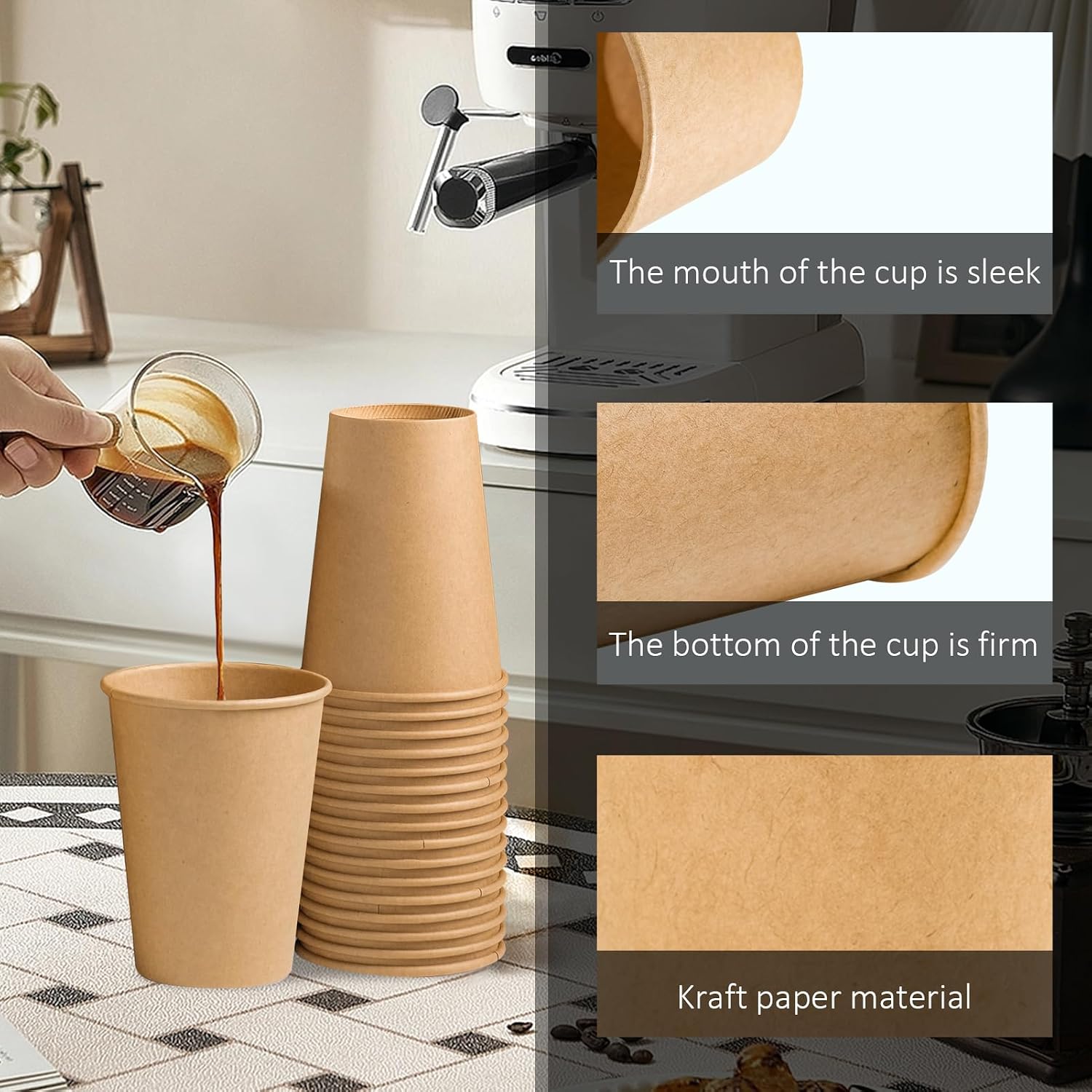
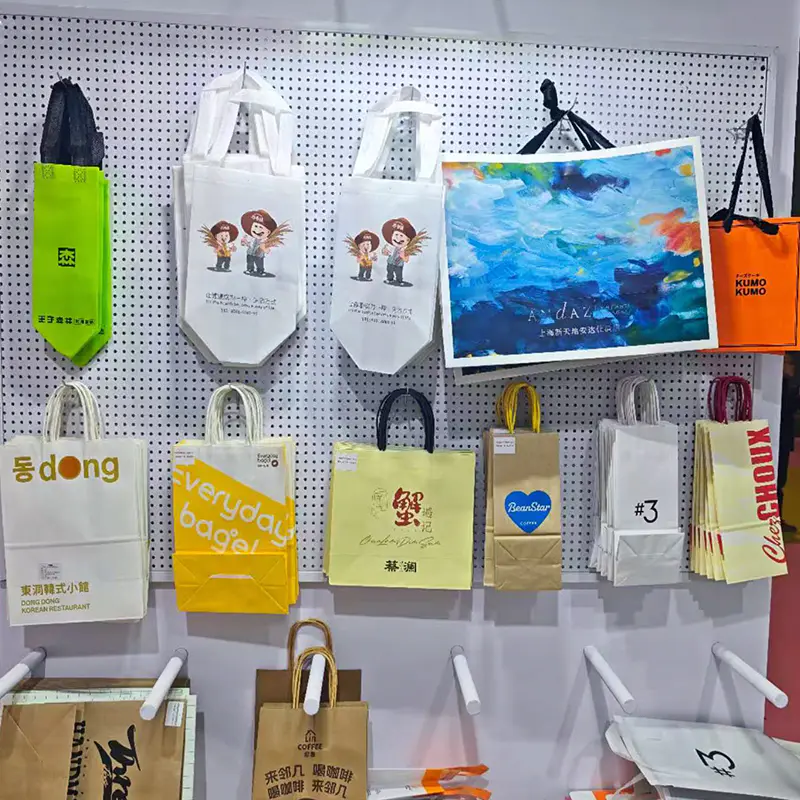 Disposable Kraft Coffee Cup Carrier with HandleThis kraft paper carry bag holds disposable coffee cups securely in a built-in slot, preventing spills and tipping. It is foldable, eco-friendly, and supports logo customization for takeaway and travel use.View Product →

GUANXUAN
Delivering safer, greener packaging solutions for our customers and working with partners to build a more sustainable future
Ready to Begin?
Quick Links
Product Categories
Contact Information
 Email: [email protected]
 Phone: +86-18226619205
 Address: No. 89 Jingwu Road, Economic Development Zone, Quanjiao County, Chuzhou City, Anhui Province, China
QR Code

Copyright © Anhui Guanxuan Environmental Protection Technology Co., Ltd. All rights reserved.
Wholesale Eco-Friendly Packaging Products Manufacturers
