

 Español


Industry News ·
Industry News ·
Industry News ·
Industry News ·
Industry News ·
Industry News ·
Industry News ·
Industry News ·
Industry News ·
Industry News ·
Industry News ·
Industry News ·
Industry News ·
Industry News ·
Industry News ·
Industry News ·
What Makes Paper Soup Tubs Leak-Proof and Grease-Resistant for Takeout Noodles?
Content
- 1 Why Takeout Noodles Are Tough on Paper Packaging
- 2 The Barrier Science: PE and PLA Coatings Explained
- 3 Where Leaks Actually Start: Construction and Sealing Details
- 4 Grease Resistance: Why Oil Attacks Paper Differently
- 5 Manufacturing Quality: Consistency Is the Real Secret
- 6 Checklist for Ordering Leak-Proof, Grease-Resistant Soup Tubs
- 7 Frequently Asked Questions
Takeout noodles have become a daily staple, from ramen shops to delivery-only brands. But every steaming bowl travelling in a delivery bag is a test of its packaging. A tub that leaks broth or lets grease seep through does more than create a mess: it slows the driver, damages the brand, and turns a five-star meal into a one-star review.
This guide explains the engineering behind leak-proof, grease-resistant paper soup tubs: how PE and PLA coatings work, why seam construction and rolled rims matter, how grease attacks paper, and what to check before ordering takeout noodle packaging in volume.
Why Takeout Noodles Are Tough on Paper Packaging
Hot noodle soup is one of the most demanding environments a food container will face. Broth enters the tub at 80 to 90 degrees Celsius and keeps the paperboard saturated with heat and moisture for the entire delivery. Steam rises to the lid, condenses, and drips back onto the walls. The broth also carries oil, chili fat, and seasonings that attack paper differently than plain water.
Paperboard is naturally porous. Its cellulose fibers wick liquid like a paper towel absorbs water. Exposed to hot soup for 20 minutes, uncoated paper softens, loses rigidity, and finally leaks, especially around the bottom seam. With delivery windows of 30 to 60 minutes, takeout noodle packaging must hold its structure long after it leaves the kitchen.
The Barrier Science: PE and PLA Coatings Explained
The first line of defense is a thin polymer coating fused to the paperboard. At Anhui Guanxuan Environmental Protection Technology, production lines apply both PE and PLA coatings, each with a different performance and environmental profile.
PE Coating: The Dependable Workhorse
Polyethylene (PE) is the most widely used barrier in disposable food packaging. A thin film is bonded to paperboard under heat and pressure, creating a continuous, pinhole-free surface. A typical coating weight of 15 to 25 gsm stops liquid water from soaking into the fibers and blocks oil molecules that would otherwise migrate through the board. PE melts and re-fuses during forming, so the side seam and bottom crimp become heat-sealed joints rather than simply folded paper.
PLA Coating: The Renewable Alternative
For brands that want a stronger environmental story, polylactic acid (PLA) is a plant-based alternative derived from cornstarch and sugarcane. PLA-coated soup tubs deliver reliable moisture resistance and good grease holdout for typical takeout recipes, making them a practical choice for operators who need a leak-proof container without a petroleum-based surface.
| Feature | PE Coating | PLA Coating |
|---|---|---|
| Base Material | Polyethylene (petroleum-based) | Polylactic acid (plant-based) |
| Moisture Barrier | Excellent | Good to excellent |
| Grease Resistance | Excellent | Good |
| Compostable | No | Yes (industrial) |
| Best For | High-volume hot soup and oily dishes | Eco-conscious restaurant brands |
Where Leaks Actually Start: Construction and Sealing Details
A coating is only as good as the structure it protects. Most soup tubs leak not through flat walls but at seams and contact points, details determined on the forming press.
Compressed Bottom Seams
The bottom of a paper tub is formed by folding the board inward and compressing layers together under heat. The coating melts and welds them into a watertight joint. If pressure is too low or coating weight varies, microscopic channels stay open and broth seeps out. A well-formed seam should look uniformly compressed with no visible gaps.
Rolled Rims and Lid Fit
The top edge of a premium soup tub is curled outward into a hollow bead. This curl adds stiffness, prevents collapse when lifted, and creates a groove for the lid to snap onto. A press-fit lid that engages the rolled rim keeps soup inside during movement in a delivery bag, while a vent hole releases steam so the lid does not pop loose.
Multi-layer Wall Construction
Many takeout noodle containers use an inner moisture layer or double-wall construction with an air gap for insulation. The air gap keeps the exterior cooler and ensures condensation never reaches the outer surface, a small detail that matters on long routes.
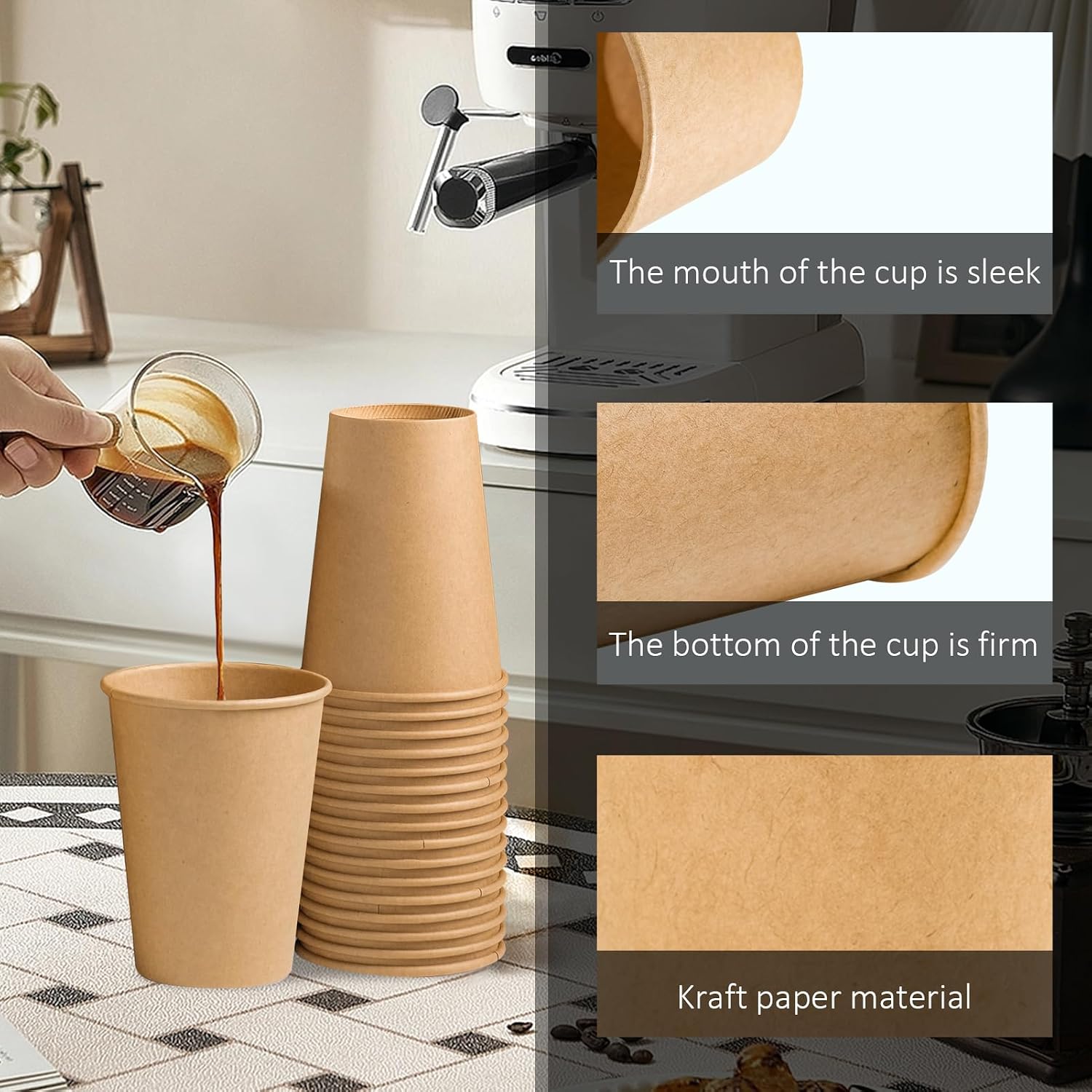
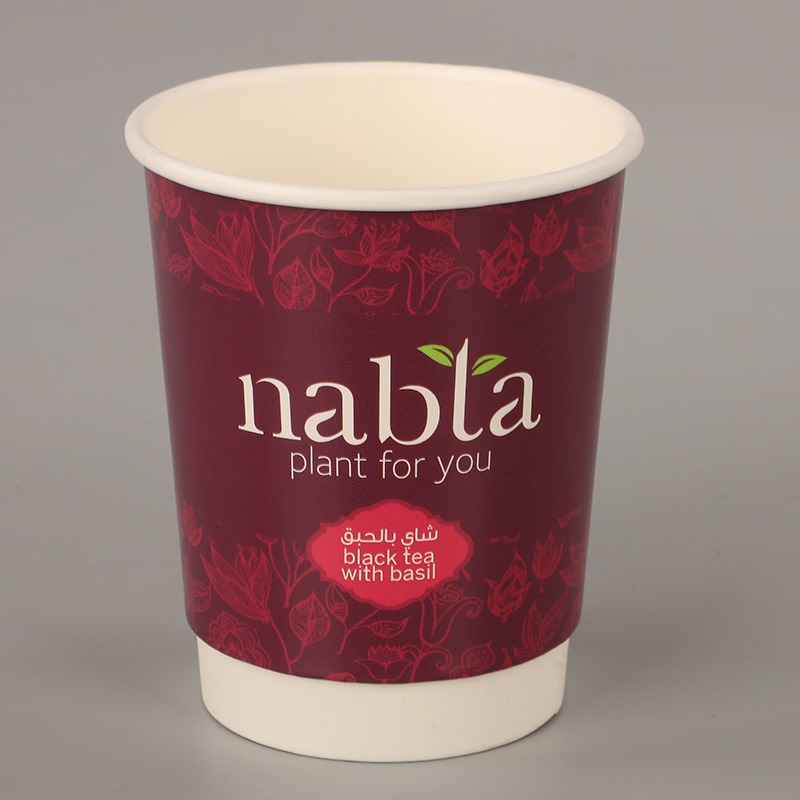
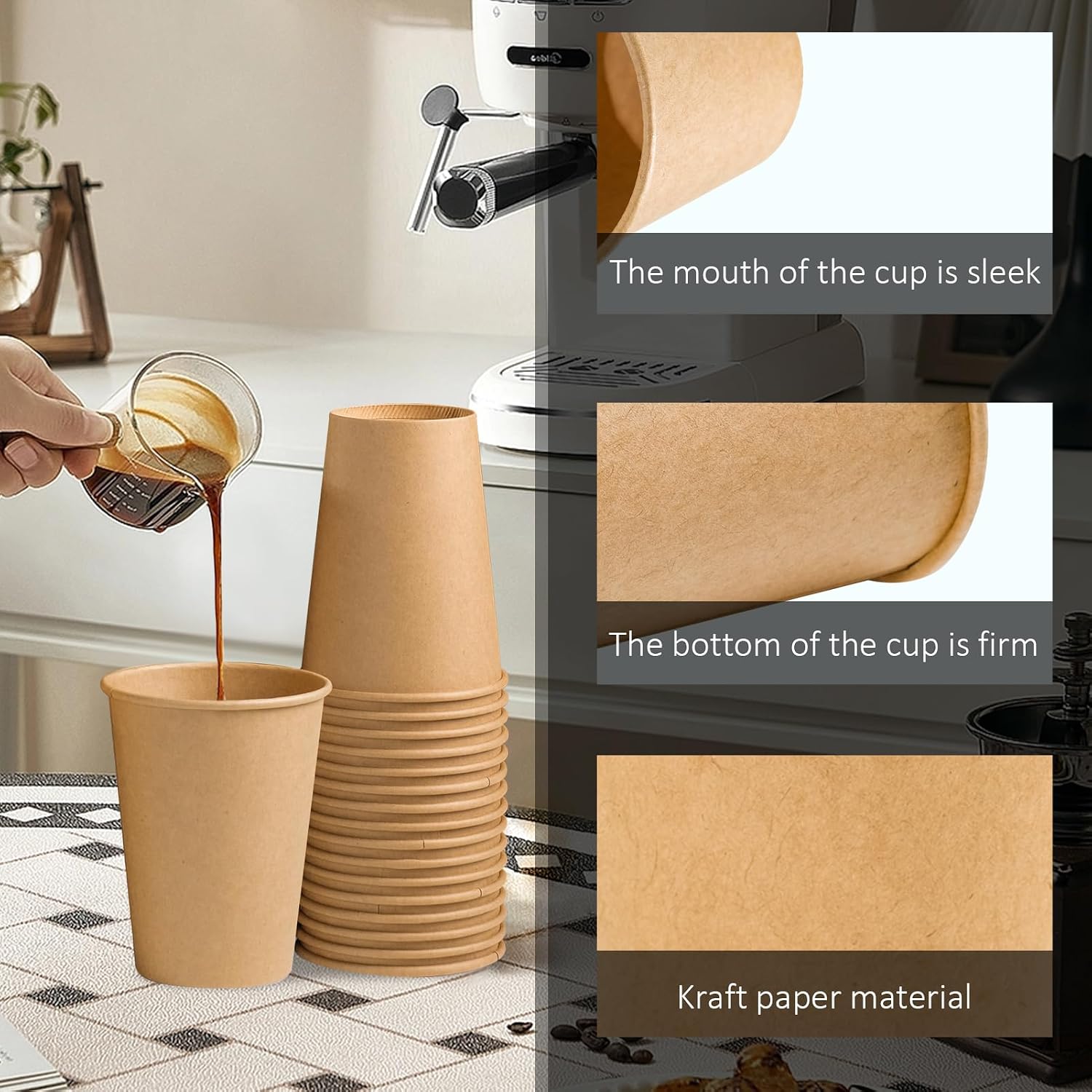 Disposable Double Wall Paper Cup with Custom Logo, 8/12/16/20ozThis double-wall paper cup is highlighted after a discussion of insulated takeout containers. Its large capacity and leak-proof lid make it suitable for hot drinks and soups.View Product →
Grease Resistance: Why Oil Attacks Paper Differently
Water and grease attack paper differently. Water molecules are polar and are slowed by the fiber network, while grease molecules are nonpolar and slide through microscopic gaps water never reaches. In an uncoated tub, chili oil can migrate to the exterior within minutes, staining and weakening the board.
The polymer coating stops this migration with a continuous interface oil cannot cross. The key is continuity: even a pinhole creates a path for both oil and liquid. That is why manufacturers control coating weight across the entire web and inspect finished tubs for irregularities. For oil-rich broths containing beef tallow, sesame oil, or chili crisp, coating thickness should match the aggressiveness of the recipe.
Tip: Grease resistance should always be verified with a real-world test. Fill a sample tub with your hottest, oiliest broth and watch it for a full delivery window before approving a large order.
Manufacturing Quality: Consistency Is the Real Secret
Leak-proof and grease-resistant performance comes from consistent manufacturing, not one clever material. A coating line that delivers a slightly thinner film on one edge, or a forming press with uneven pressure, can turn a premium tub into a leaker. Buyers ordering in volume need a partner whose equipment and inspection standards guarantee the same structure in every batch.
Anhui Guanxuan Environmental Protection Technology operates more than 200 production machines across laminating, printing, cup forming, bowl forming, plastic packaging, and cutlery packing lines. That vertical setup lets the company control quality from raw paperboard to finished tub. When evaluating suppliers, ask how they test seam integrity, how they measure coating weight, and whether every batch is checked before shipment. You can also explore the full range of disposable paper tubs to see available sizes and formats.
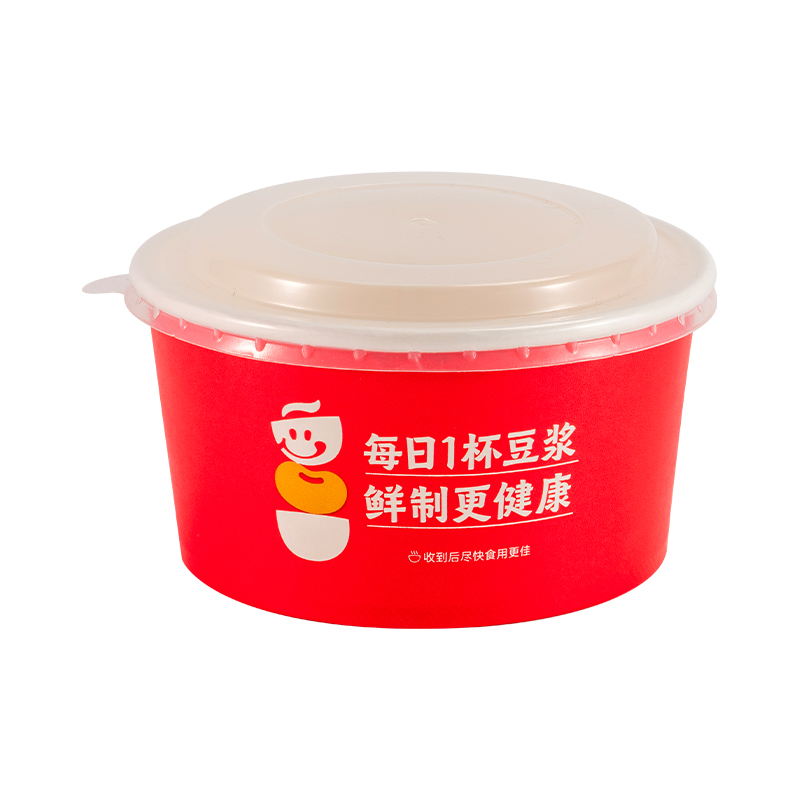
 Disposable Lamian Noodles Bowl Food Container with LidThis food-grade, microwave-safe bowl with a leak-proof lid appears in a section about supplier evaluation. Its stackable design and lightweight build suit takeaway and office use.View Product →
Checklist for Ordering Leak-Proof, Grease-Resistant Soup Tubs
Use this checklist when discussing specifications with your supplier so the final tub matches your menu and delivery model:
- Confirm the coating type: PE for a petroleum-based barrier, or PLA for a plant-based, compostable option.
- Specify coating weight; 15 to 25 gsm is typical for hot soup packaging.
- Choose food-grade paperboard with sufficient thickness and wet-strength.
- Inspect the bottom seam for tight, even compression with no gaps.
- Test the lid fit: it should snap evenly and stay secure when tilted.
- Verify temperature tolerance at 80 to 90 degrees Celsius for at least 45 minutes.
- Request food safety and material certification documents before bulk orders.
Finally, consider the complete takeout package: a soup-safe tub works best with matching cutlery. If you are moving toward a more eco-friendly kitchen, our guide on choosing eco-friendly packaging for commercial operations is a helpful starting point.
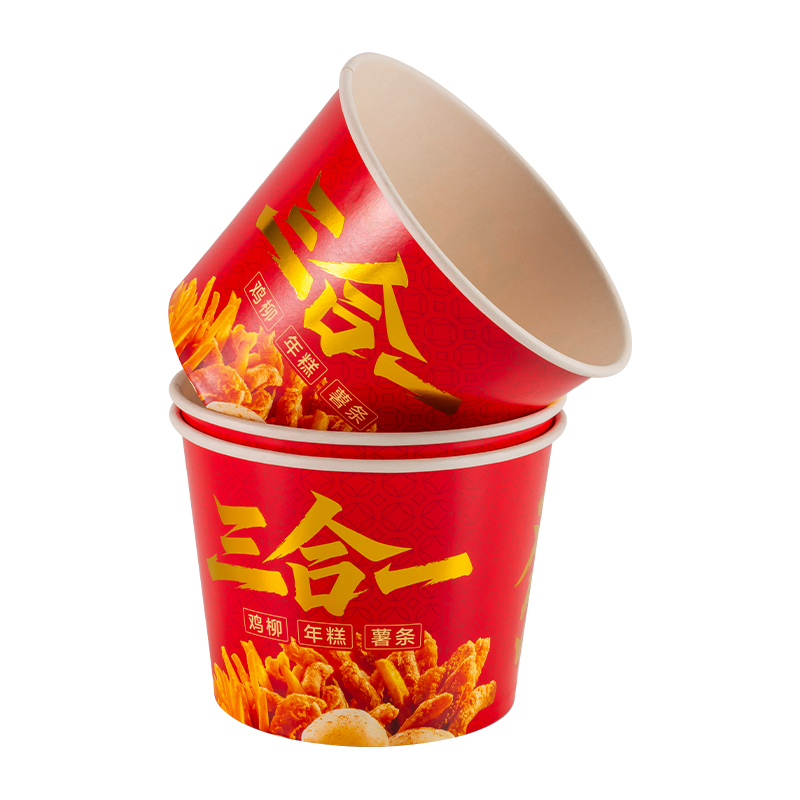
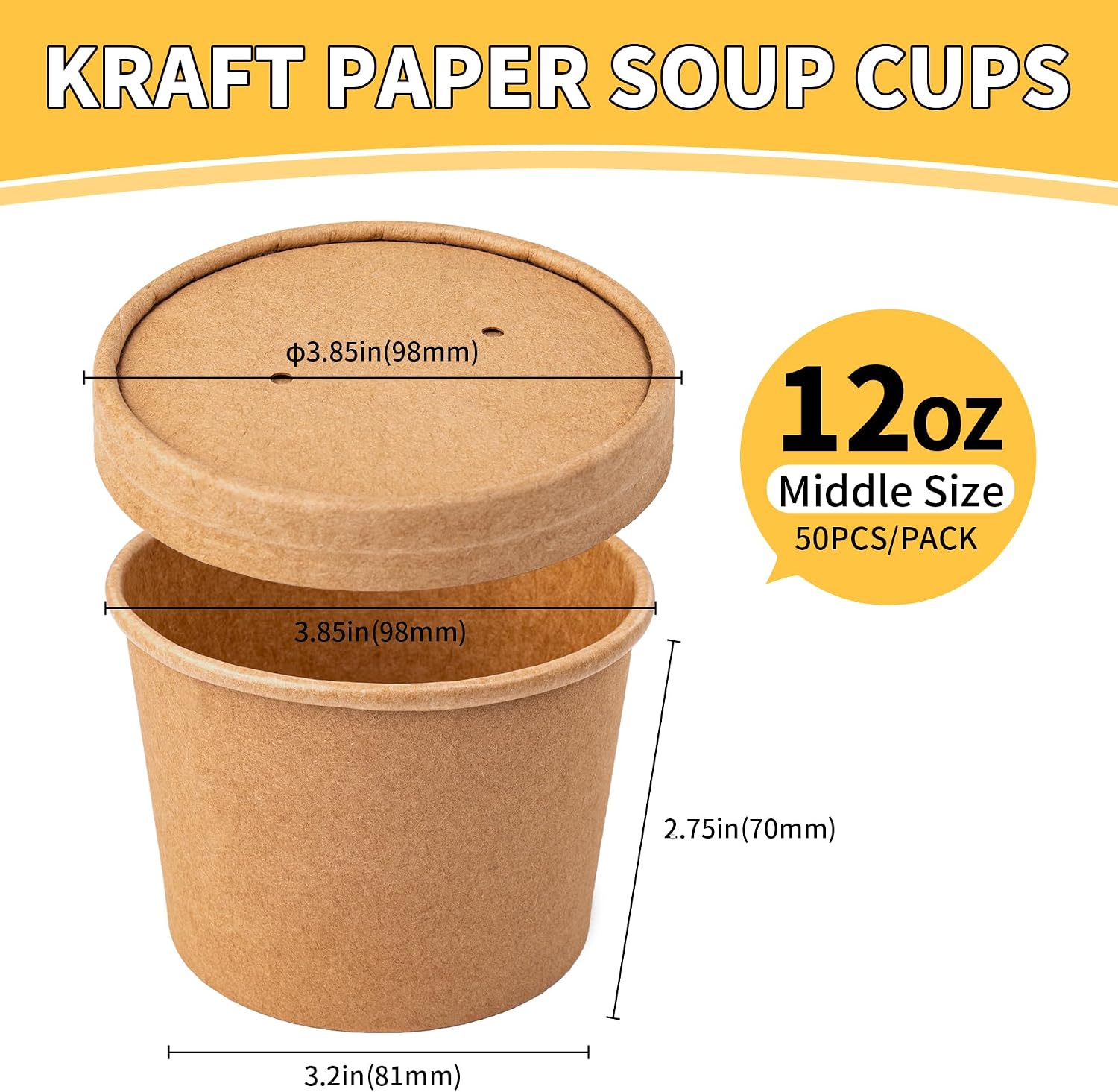 Disposable Small Soup Bucket with Lid, 530ml CapacityThis compact soup bucket addresses the need for portion-controlled packaging. Its anti-scald structure and sealed lid help prevent leaks and heat loss during delivery.View Product →
Frequently Asked Questions
Q1: Are PE-coated paper soup tubs recyclable?
PE-coated tubs can be accepted by specialized recycling streams that separate polyethylene from paper fiber, but recyclability depends on local sorting facilities. Many operators choose PLA-coated tubs for industrial composting instead. Confirm with your waste hauler before making sustainability claims.
Q2: What temperature can a paper soup tub withstand?
Quality tubs hold liquids at 80 to 90 degrees Celsius for extended periods, which covers freshly ladled noodle broth. The limits are coating weight, board thickness, and seam integrity. Avoid direct heat, and check whether the product is approved for microwave reheating.
Q3: Can PLA-coated tubs handle oily or spicy noodle dishes?
Yes. PLA provides a reliable grease barrier for most takeout noodle recipes, including broths with chili oil or rendered fat. Performance depends on coating weight and dwell time, so run a quick test: fill a tub with your hottest broth, close the lid, and wait the full delivery window before inspecting for stains.
Q4: How long can a soup tub hold liquid without leaking?
A well-made, leak-proof tub with a correct lid fit typically stays intact for one to two hours, enough for most delivery routes. For longer hold times or heavier soups, specify a thicker board and higher coating weight, and test every seam before mass production.
Leak-proof and grease-resistant paper soup tubs are created by coating chemistry, board quality, seam construction, and disciplined manufacturing working together. Whether you choose PE-coated tubs for proven barrier strength or PLA-coated options for a renewable packaging story, the manufacturer behind the tub is the most important decision. With the right packaging, hot noodle soup travels safely, arrives presentable, and leaves customers thinking about your food, not the mess it came in.

GUANXUAN
Delivering safer, greener packaging solutions for our customers and working with partners to build a more sustainable future
Ready to Begin?
Quick Links
Product Categories
Contact Information
 Email: [email protected]
 Phone: +86-18226619205
 Address: No. 89 Jingwu Road, Economic Development Zone, Quanjiao County, Chuzhou City, Anhui Province, China
QR Code

Copyright © Anhui Guanxuan Environmental Protection Technology Co., Ltd. All rights reserved.
Wholesale Eco-Friendly Packaging Products Manufacturers
