


 Español


Industry News ·
Industry News ·
Industry News ·
Industry News ·
Industry News ·
Industry News ·
Industry News ·
Industry News ·
Industry News ·
Industry News ·
Industry News ·
Industry News ·
Industry News ·
Industry News ·
Industry News ·
Industry News ·

Kraft Paper Bags with Handles vs. Flat Paper Bags: Which Fits Takeout Order Sizes Better?
Content
For takeout-focused restaurants, cafes, and catering businesses, packaging shapes how staff pack orders, how customers carry them, and how your brand is perceived. Among the most common choices, kraft paper bags with handles and flat paper bags are practical staples, but not interchangeable. Your order size, weight, and packing workflow determine which style belongs in your packaging lineup. This guide compares both bag styles across structure, capacity, usability, cost, and branding, and helps you match each to different takeout order sizes, from light snacks to multi-item family bundles.
Think of the bag as an extension of the order: the lighter the order, the simpler the bag; the heavier the order, the more support the bag must provide.
What Are Kraft Paper Bags with Handles?
Handled kraft paper bags are made from durable kraft paper with a reinforced handle attached at the top. The most common handle configurations include:
- Twisted paper handles: strong, comfortable, and well suited for heavier takeout loads.
- Flat paper handles: glued to the bag's inner surface, clean appearance, and economical for everyday use.
- Die-cut handles: cut directly from the paper, modern style, and easy to grab.
These bags support heavier orders because the handle distributes weight across a reinforced top area. Most designs include a gusseted bottom so the bag stands upright while being filled. Handled bags speed up handoff: fill, pass over, and the customer walks away without needing an extra carrier. The convenience is immediate, boosting satisfaction with your takeout experience.
Handled kraft bags also project a more polished image, making them a common choice for branded delivery and pickup programs.
What Are Flat Paper Bags?
Flat paper bags, sometimes called SOS bags, have no handles and a flat top that is folded closed after packing. They are typically made from single- or multi-wall kraft paper, and the folded top edge serves as the carrying grip.
- Cost efficiency: lower material cost and simpler production.
- Space saving: they store flat, taking up less shelf room behind the counter.
- Fast opening: a quick shake opens the bag, helping high-volume packing lines.
- Lightweight versatility: sizes range from small pastry bags to large grocery sacks.
The trade-off is a lower load ceiling. Because there is no handle to absorb tension, the paper itself bears the full weight. Flat bags fit lighter orders best: a sandwich, pastry, fruit box, or drink when carried with care. Heavy or bulky orders risk tearing, twisting, or slipping from the customer's grip.
Key Differences at a Glance
The table below summarizes the main differences to weigh when planning your takeout packaging strategy.
| Feature | Handled Kraft Bags | Flat Paper Bags |
|---|---|---|
| Handle | Twisted, flat, or die-cut | None; folded top grip |
| Load capacity | High; supports multi-item orders | Moderate; best for light items |
| Packing flow | Fill and hand off quickly | Fill, fold top, then hand off |
| Storage | Stands open; takes more space | Stores flat; compact |
| Branding area | Large printable side panels | Smaller printable area |
| Unit cost | Higher | Lower |
| Typical order size | Medium to large | Small to light |
Matching Bag Style to Your Takeout Order Sizes
Order size is the strongest signal for choosing the right bag. Use this guidance when building your packaging matrix.
Small Flat paper bag Sandwiches, pastries, side salads
Medium Handled kraft bag Burgers, rice bowls, noodle dishes
Large Handled bag + rigid container Family bundles, soup-and-main combos
Small Orders: Snacks, Pastries, and Side Salads
A flat paper bag is sufficient for a single sandwich, a pastry, or a small side. Sizes around 8 x 4.75 x 17 inches provide comfortable room without excessive empty space. Customers usually carry these bags short distances or place them inside another carrier, so handles are rarely missed.
Medium Orders: Burgers, Rice Bowls, and Noodles
When a meal includes a main container plus napkins and cutlery, a handled kraft bag adds real convenience. Customers carry the entire bundle with one hand, shortening queues and making walk-up windows smoother. For noodle-heavy menus, pair the bag with a leak-resistant paper bowl to contain broth.
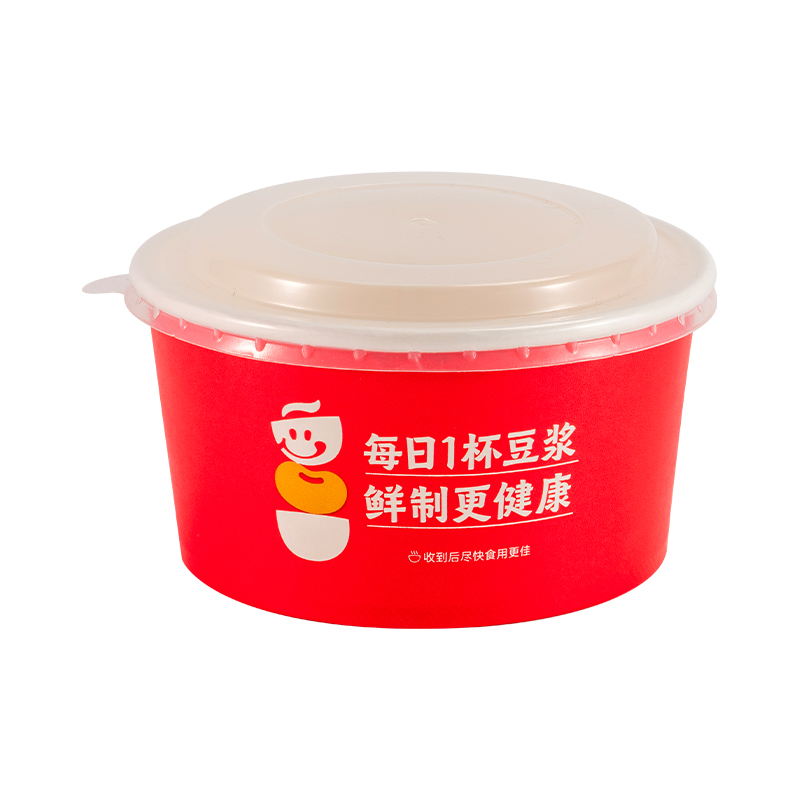
 Disposable Lamian Noodles Bowl Food Container with Leak-Proof LidThis food-grade paper bowl with a sealing lid is designed for noodle and broth dishes, featuring leak-proof walls and microwave-safe heating, making it a practical pairing for handled takeout bags.View Product →
A noodle bowl container with lid sits securely inside a medium handled bag, turning a messy two-handed carry into a clean one-handed pickup.
Large Orders: Family Bundles and Soup-and-Main Combinations
Heavy loads demand structural support. Twisted handle bags spread tension across a wider area and stay comfortable over longer carries. A large handled bag in the 14 x 8 x 19 inch range can hold several entree containers, sides, and cutlery packets.
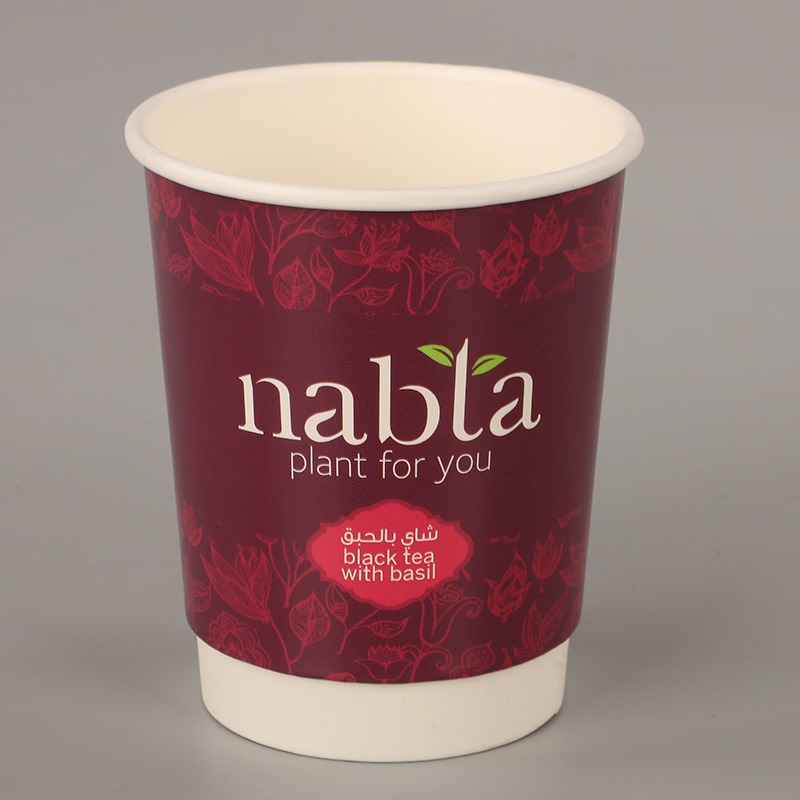
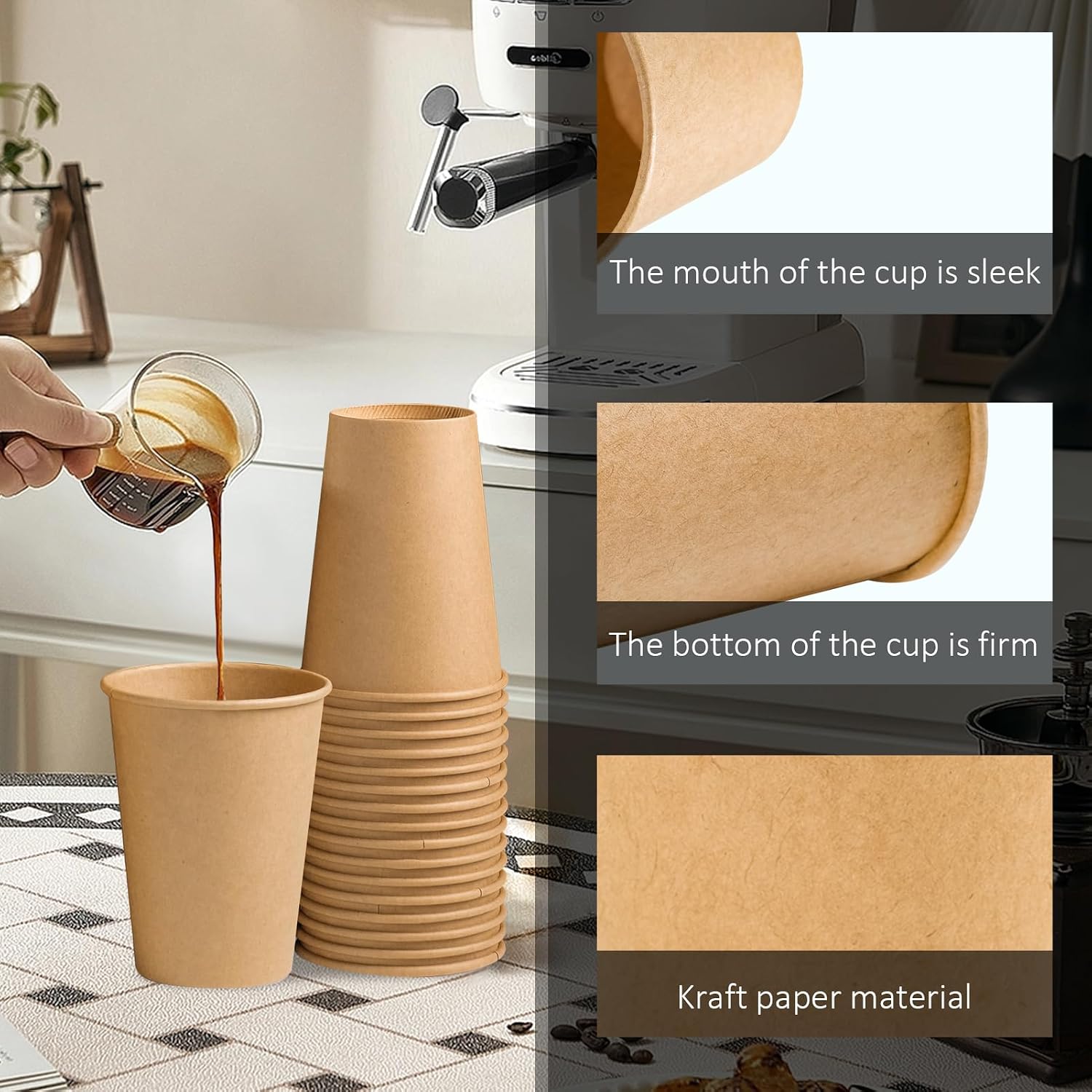 Disposable Double Wall Paper Cup for Hot Drinks with Custom LogoThis 820ml double-wall paper cup is built for hot soups and porridge, with a sturdy body, anti-leak lid, and stackable design, suitable for bulk commercial packaging and delivery.View Product →
For soups and family-size portions, combine the bag with a rigid soup bucket with lid; the bucket prevents spills while the handle bag supports the full weight.
Cafes and Coffee-Driven Pickup
Coffee-focused takeout follows the same logic. When orders pair a drink with a pastry or sandwich, choose a bag that holds both without crushing the food. Cafes can adopt a kraft paper food bag designed for coffee cups alongside packaged food items.
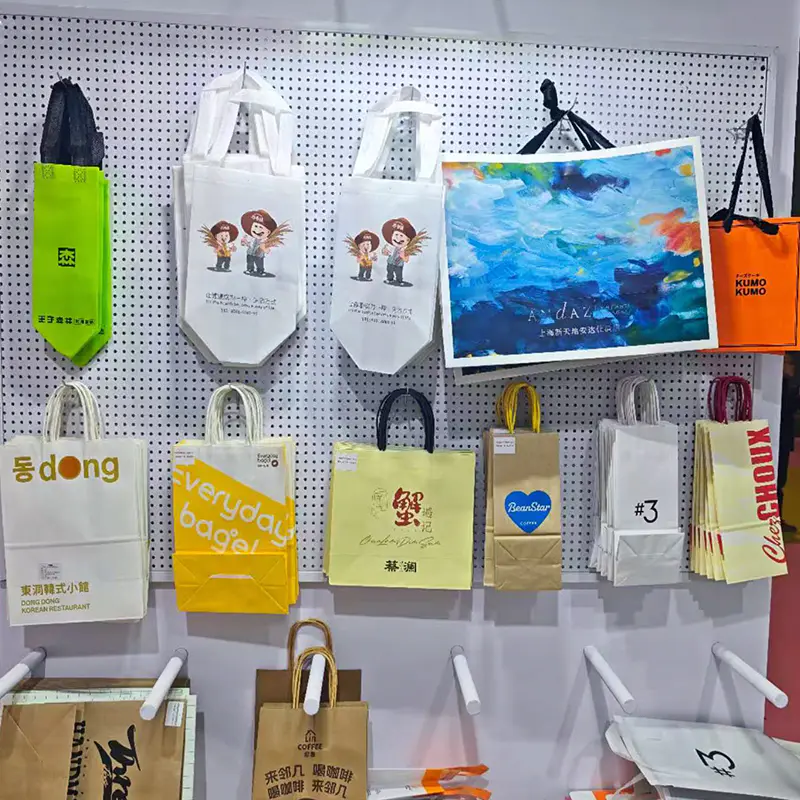 Disposable Kraft Paper Coffee Cup Carry Bag with Cup SlotThis foldable kraft paper bag includes a built-in cup slot and integrated handle, preventing tipping and leakage while carrying coffee and pastries, and supports logo customization for branding.View Product →
Beyond Size: Cost, Branding, and Sustainability
Size is not the only factor. Your decision should also account for unit economics, brand visibility, and environmental commitments.
Cost per Unit
Flat bags cost less per piece, which matters for high-volume fast-casual operations. Handled bags cost more, but they reduce the need for double-bagging on multi-item orders, so the effective cost per order may even out.
Branding
Handled bags function as moving billboards. Their larger side panels carry logos and artwork prominently, and customers are more likely to reuse a handled bag, extending your brand exposure. Flat bags can still be printed, but they are often crumpled or discarded after a single trip.
Sustainability
Both bag styles are made from kraft paper, which is renewable, recyclable, and biodegradable when free of plastic coatings and synthetic handles. Operators committed to a circular packaging strategy should confirm paper sourcing and printing materials with suppliers. Those reviewing their broader packaging lineup can review key factors to consider when choosing eco-friendly packaging for commercial operations before ordering.
Frequently Asked Questions
Q1: Can flat paper bags hold takeout containers with soup?
Flat bags work for small, lightweight containers only. For soup or noodle bowls, use a handled kraft bag paired with a leak-resistant bowl with lid.
Q2: Are handled kraft paper bags much more expensive than flat bags?
Handled bags cost more per unit because of the handle material and the extra manufacturing step. Volume pricing narrows the gap, and the reduced need for double-bagging can offset the difference.
Q3: What flat bag size fits a typical lunch order?
A flat bag around 8 x 4.75 x 17 inches fits a sandwich, chips, a napkin, and a small side. For larger meals, choose a handled bag.
Q4: Are kraft paper bags with handles compostable?
Pure kraft paper with paper handles is compostable and recyclable. Bags with synthetic handles, plastic coatings, or heavy inks may require special processing. Check the supplier's material specifications.
Final Thoughts
Choosing between kraft paper bags with handles and flat paper bags starts with your order profile. Light, single-item menus run efficiently on flat bags, keeping cost low and the packing flow fast. Multi-item meals, family bundles, and broth-based dishes are better served by handled bags, which offer the strength and convenience customers appreciate.
In practice, a hybrid strategy works best for most takeout businesses: flat bags for simple orders, handled bags for substantial ones, and quality paper containers that fit both. If you are refreshing your packaging lineup, review the full range of disposable paper food packaging options to build a system that matches your menu and your customers' habits.

GUANXUAN
Delivering safer, greener packaging solutions for our customers and working with partners to build a more sustainable future
Ready to Begin?
Quick Links
Product Categories
Contact Information
 Email: [email protected]
 Phone: +86-18226619205
 Address: No. 89 Jingwu Road, Economic Development Zone, Quanjiao County, Chuzhou City, Anhui Province, China
QR Code

Copyright © Anhui Guanxuan Environmental Protection Technology Co., Ltd. All rights reserved.
Wholesale Eco-Friendly Packaging Products Manufacturers
