

 Español


Disposable Injection-Molded Food Packaging (PE/PLA) ·
Disposable Injection-Molded Food Packaging (PE/PLA) ·
Disposable Injection-Molded Food Packaging (PE/PLA) ·
Disposable Injection-Molded Food Packaging (PE/PLA) ·
Disposable Injection-Molded Food Packaging (PE/PLA) ·
Disposable Injection-Molded Food Packaging (PE/PLA) ·
Disposable Injection-Molded Food Packaging (PE/PLA) ·
Disposable Injection-Molded Food Packaging (PE/PLA) ·
Disposable Injection-Molded Food Packaging (PE/PLA) ·
Disposable Injection-Molded Food Packaging (PE/PLA) ·
Disposable Injection-Molded Food Packaging (PE/PLA) ·
Disposable Injection-Molded Food Packaging (PE/PLA) ·
Disposable Injection-Molded Food Packaging (PE/PLA) ·
Disposable Injection-Molded Food Packaging (PE/PLA) ·
Disposable Injection-Molded Food Packaging (PE/PLA) ·
Disposable Injection-Molded Food Packaging (PE/PLA) ·
Product Category
Disposable Injection-Molded Food Packaging (PE/PLA) Manufacturers
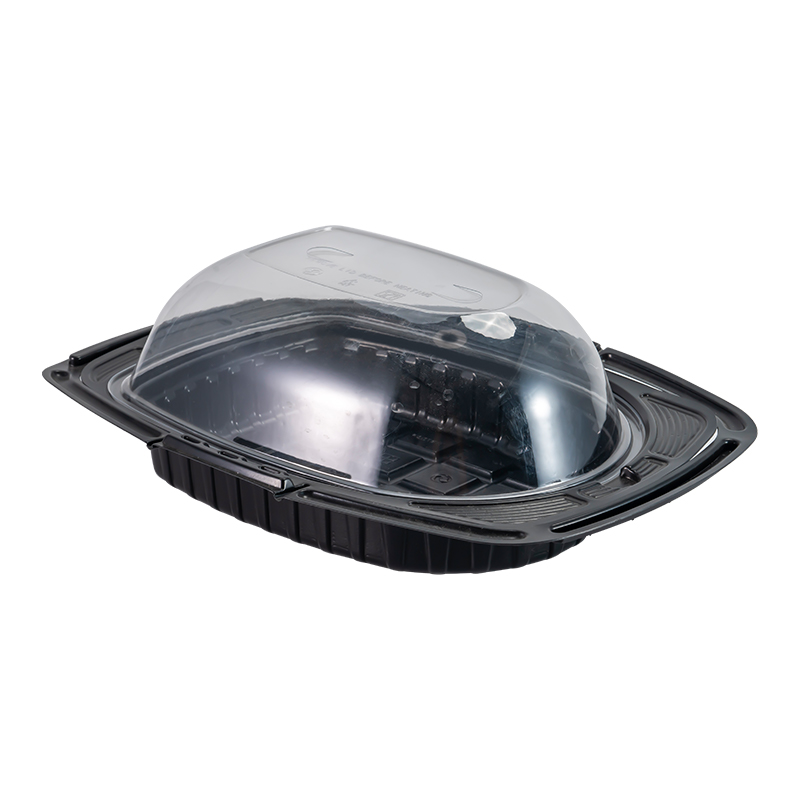
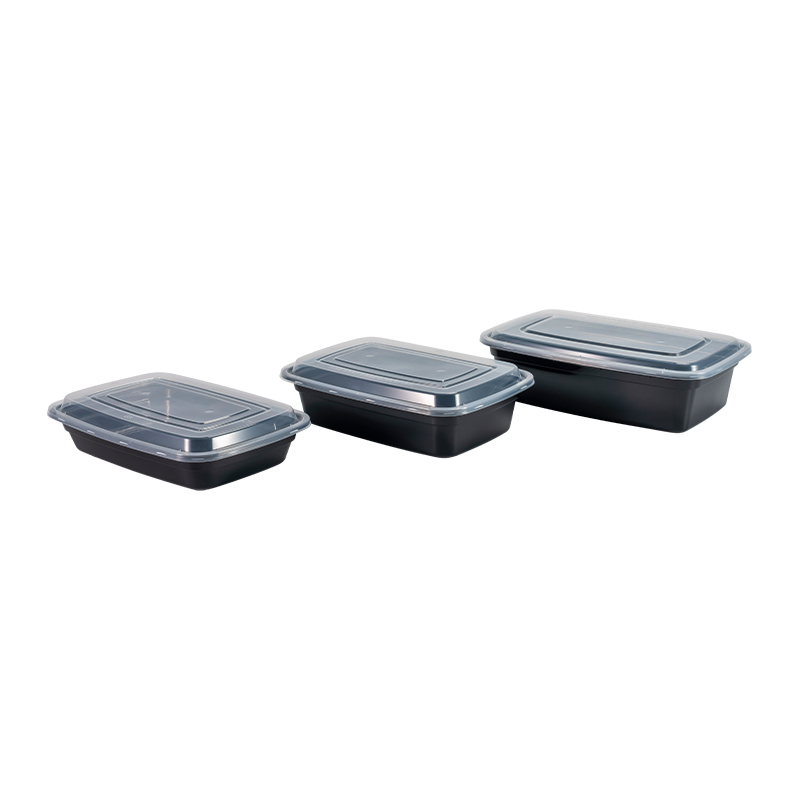
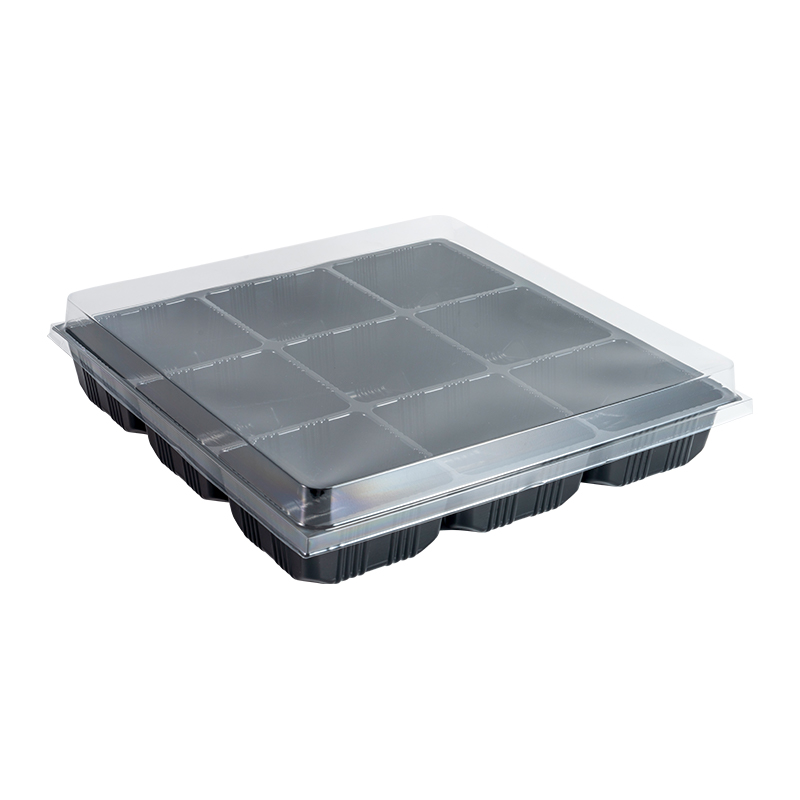
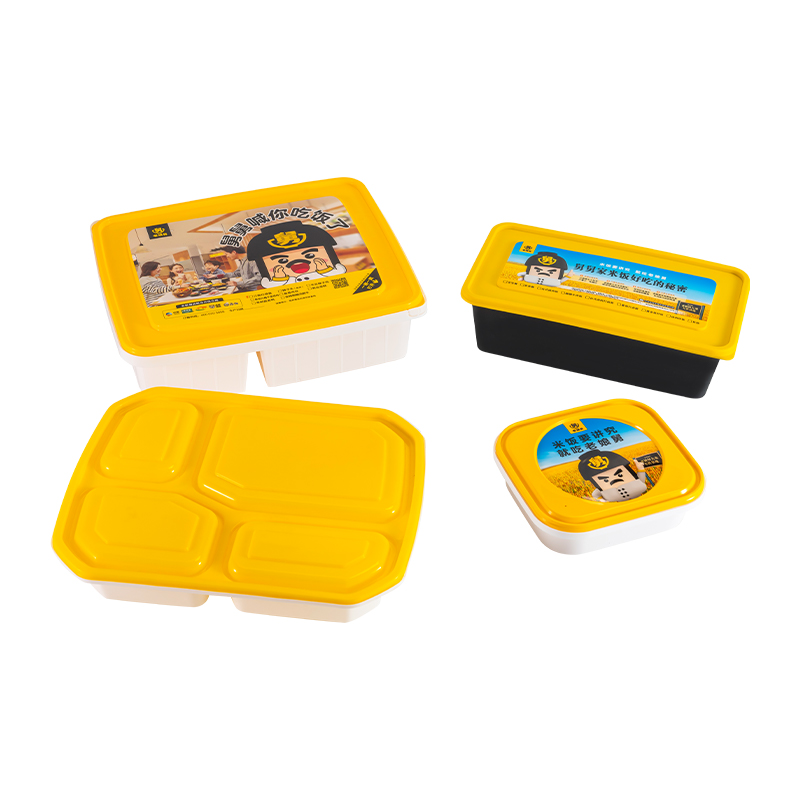
-
0 m²
Production Base
-
0+ Year
Industry Experience
-
0+
Advanced Machines
Our Story
Eco-Friendly Packaging Solutions, Professional Production, and Reliable Quality.
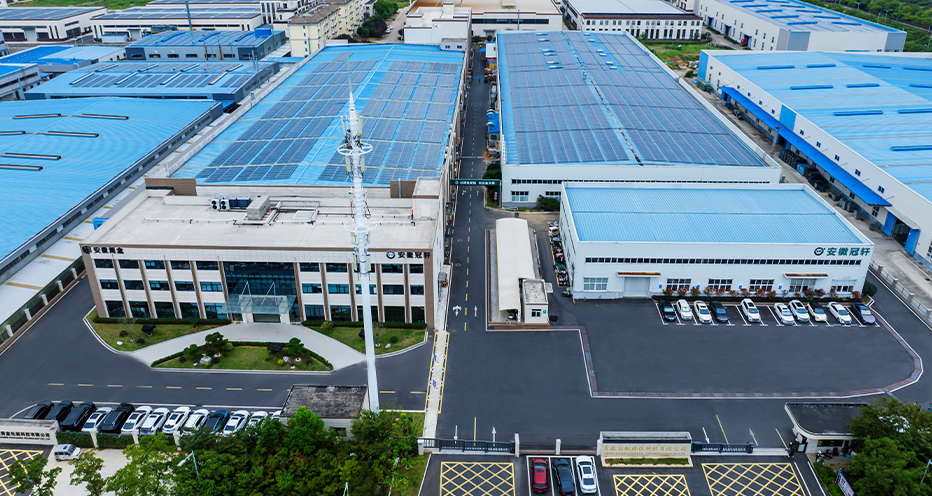
Anhui Guanxuan Environmental Protection Technology Co., Ltd., established in March 2016, is located in the heart of the Yangtze River Delta, providing convenient access to major markets and efficient logistics. We are China Disposable Injection-Molded Food Packaging (PE/PLA) Manufacturers and Wholesale
Disposable Injection-Molded Food Packaging (PE/PLA) Factory, Exporter.
The company focuses on research, development, production, and sales of eco-friendly packaging products. Our facility includes over 200 units of advanced production equipment, covering intelligent production lines for lamination, printing, paper cups, paper bowls, plastic products, and tableware packaging. We offer high-quality, customizable packaging solutions designed to meet the diverse needs of food service and retail businesses.
The company focuses on research, development, production, and sales of eco-friendly packaging products. Our facility includes over 200 units of advanced production equipment, covering intelligent production lines for lamination, printing, paper cups, paper bowls, plastic products, and tableware packaging. We offer high-quality, customizable packaging solutions designed to meet the diverse needs of food service and retail businesses.


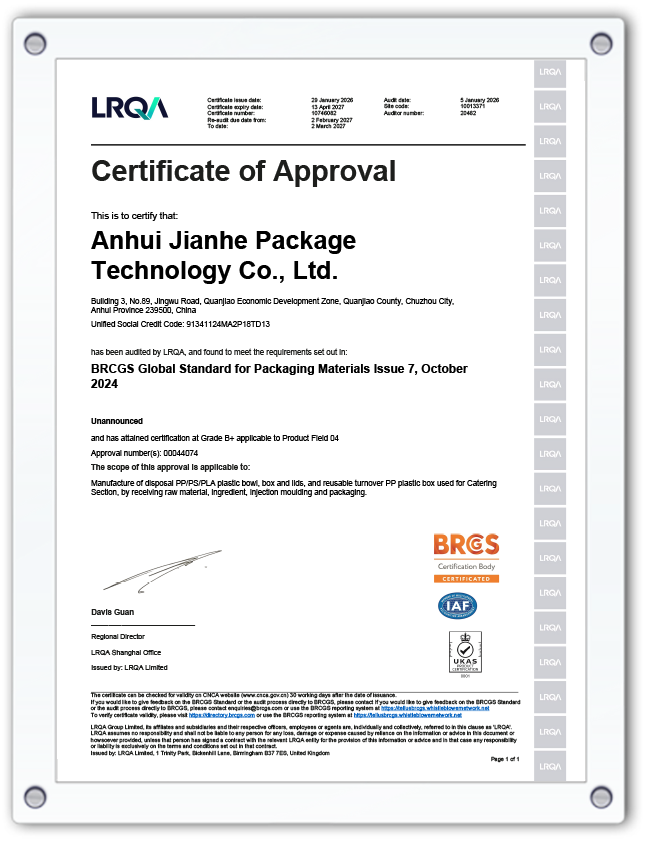
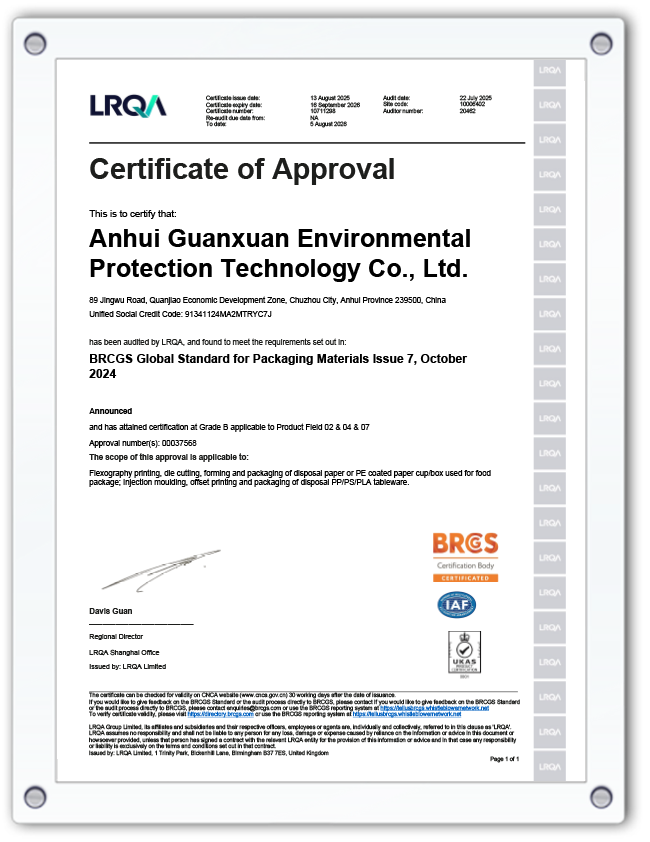
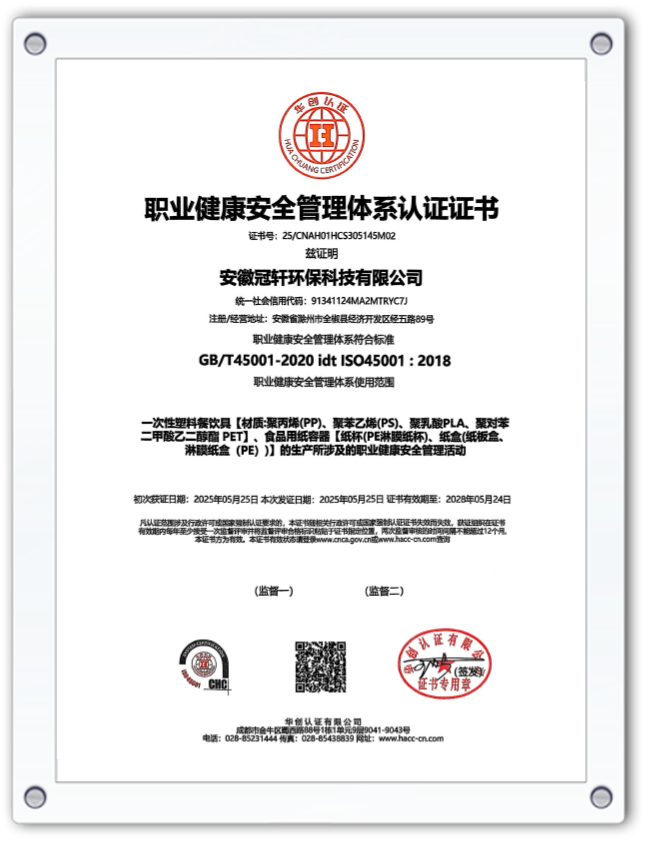
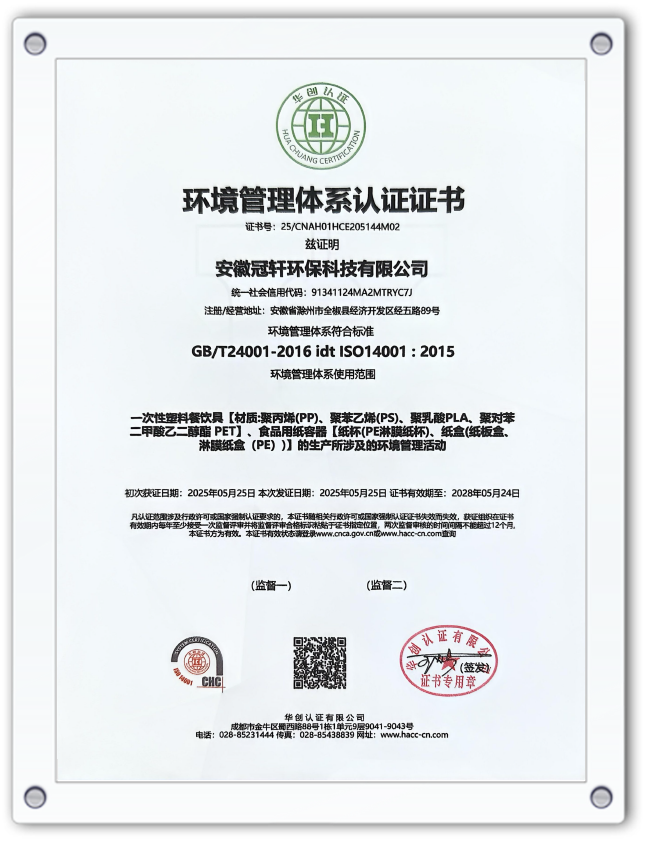
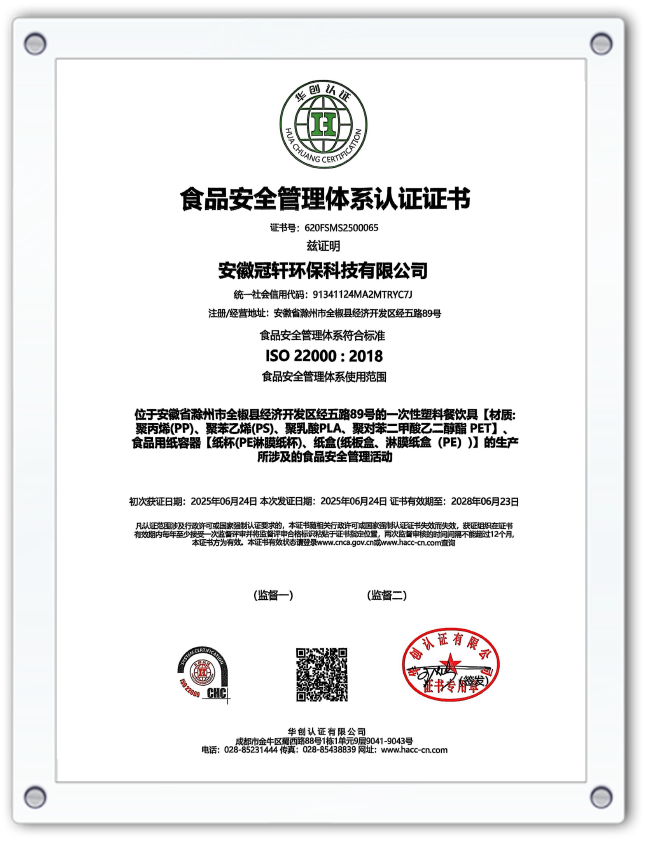
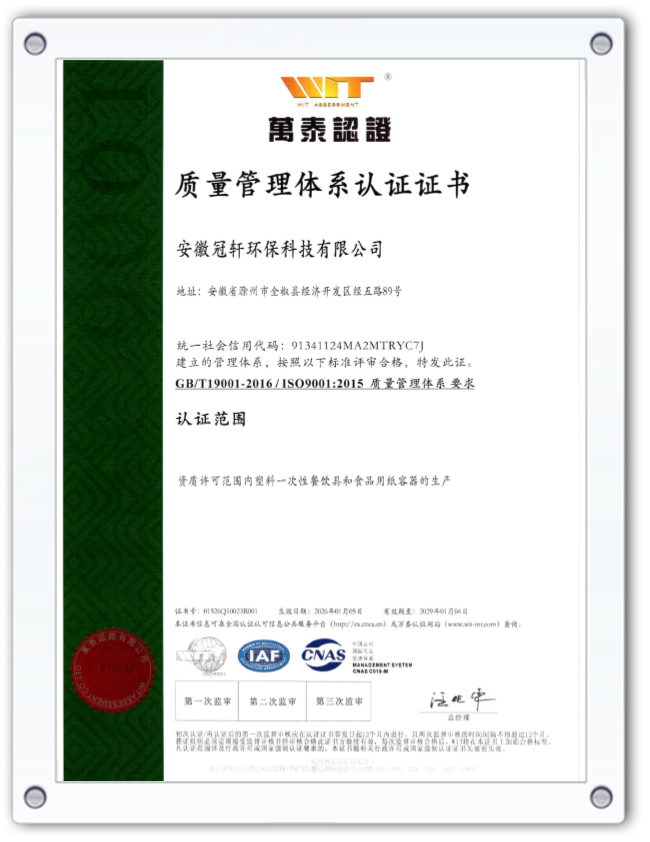
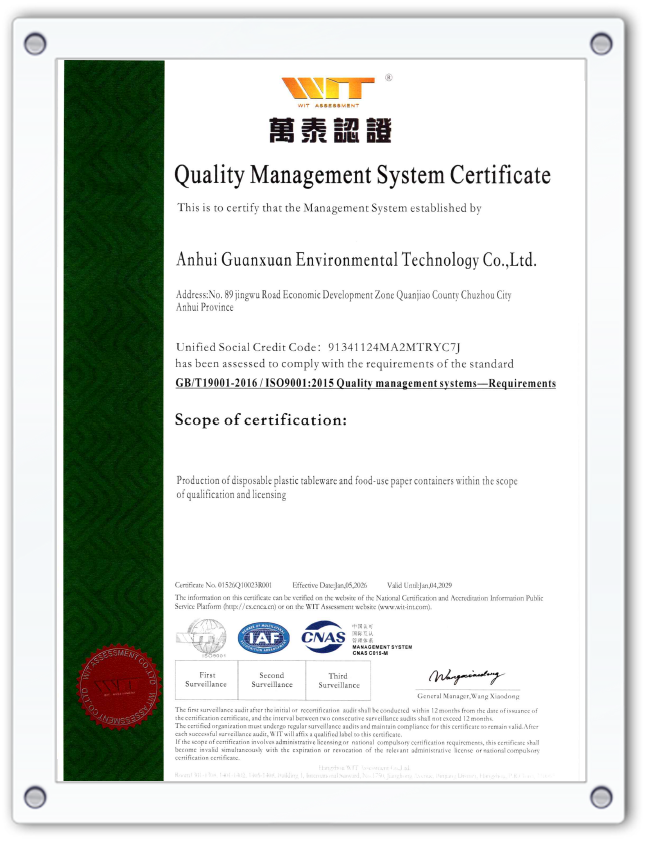
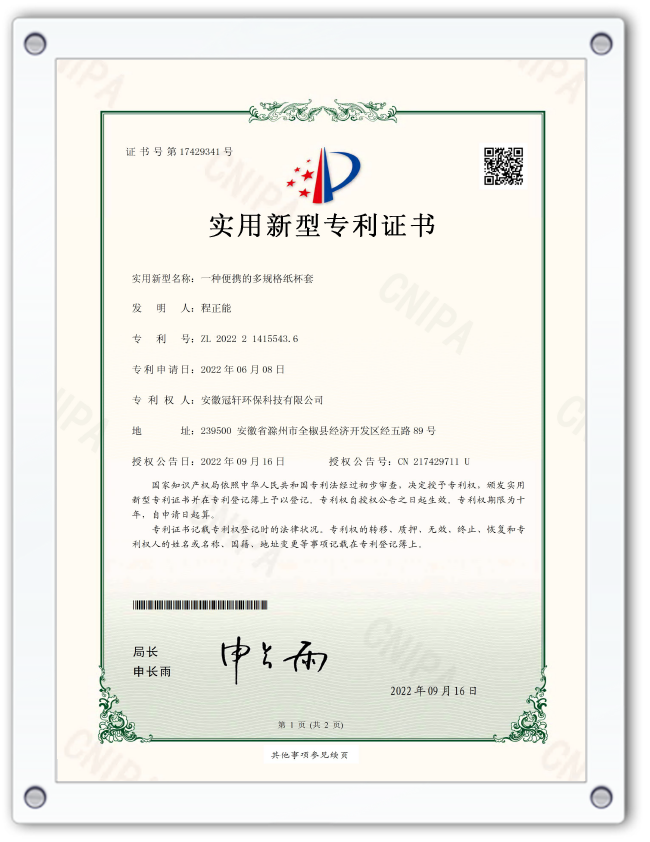
Certificate Of Honor
Message Feedback
OUR NEWS
Pay Attention To Our Latest News and Exhibitions
Disposable Injection-Molded Food Packaging (PE/PLA) Industry knowledge
Anhui Guanxuan Environmental Protection Technology Co., Ltd. is a China-based manufacturer of eco-friendly food service packaging, established in March 2016 in the Yangtze River Delta region. Within our Disposable Injection-Molded Food Packaging (PE/PLA) range we produce rigid packing bowls and matching lids for takeaway, delivery, catering and retail food applications.
Injection molding gives us wall thickness control, a clean rim seat and repeatable nesting — the three properties that decide whether a bowl runs smoothly on a filling line and closes reliably in the customer's hands. Our current range covers rectangular and round packing bowls, with material, size, colour, lid and printing configured per project.
Our Injection-Molded Range
As a Disposable Injection-Molded Food Packaging (PE/PLA) Manufacturers, we match product configuration to the application, operating limits, interfaces and acceptance criteria defined for each project.
The range is built around two proven bowl geometries, each available in multiple capacities. Both are produced on our plastic product lines, which sit alongside our lamination, printing, paper cup, paper bowl and tableware packaging lines in the same facility.
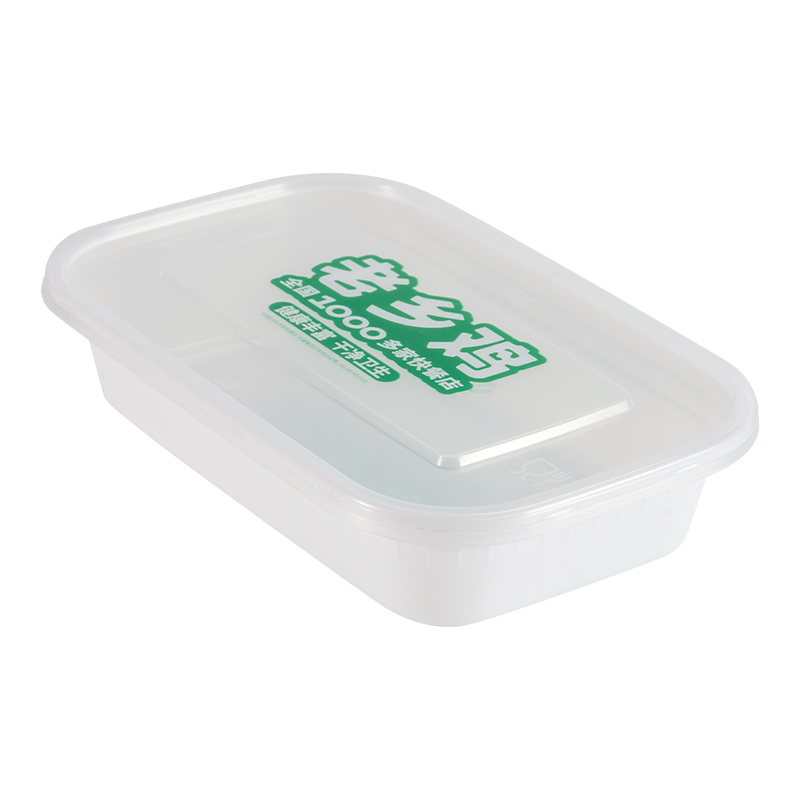
Rectangular Packing Bowl
A space-efficient format for rice meals, salads, pasta, deli portions and ready-to-eat retail packs. Straight sides and a defined corner radius make it stack densely in the delivery bag and on the shelf.
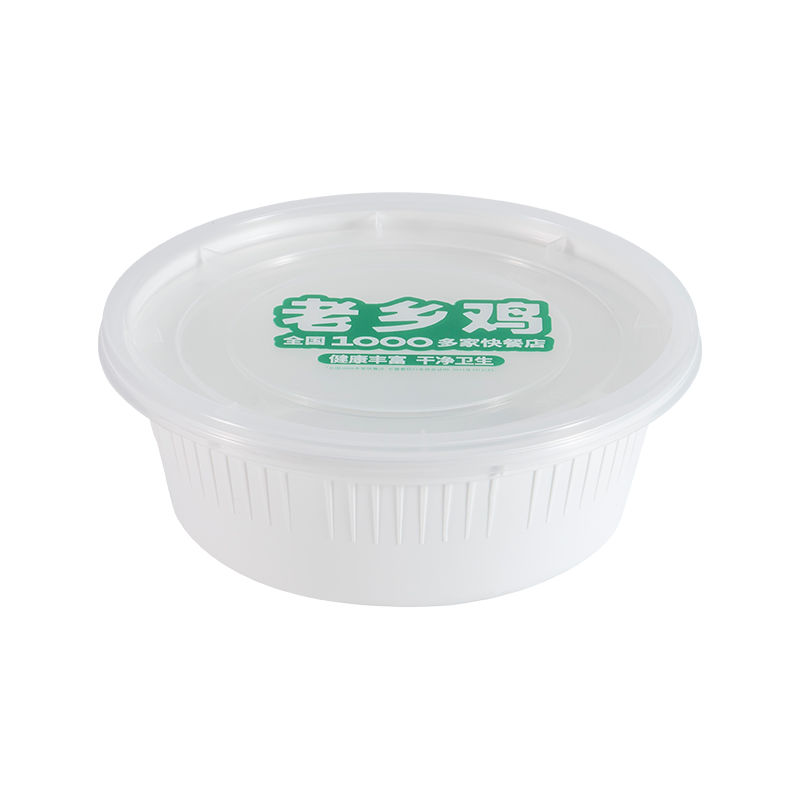
Round Packing Bowl
A circular format for soups, noodles, congee, desserts and hot food counters. Uniform wall thickness supports heat retention and gives a consistent rim for film sealing or lid closure.
PE and PLA: Choosing the Right Resin
Both material families run on the same injection-molding platform, so the choice is driven by the market the packaging is sold into, the food contact conditions and the end-of-life message on the pack.
| Consideration | PE (polyethylene) | PLA (polylactic acid) |
|---|---|---|
| Typical fit | High-volume takeaway, delivery and chilled retail packs | Markets with compostable or biobased packaging requirements |
| Heat behaviour | Tolerant of hot-fill and microwave reheating within defined limits | Better suited to warm and ambient fills; heat limits confirmed per grade |
| Clarity and finish | Natural, white or pigmented; matte to gloss surface | Natural translucent to opaque; good print contrast |
| Sealing and lidding | Snap lids, flat lids and film seal options | Lid and film combinations selected for the specific grade |
| End-of-life positioning | Recyclable streams where collection exists | Industrial compostability claims subject to certification scope |
Specifications That Decide Performance
Injection-molded bowls are specified by a small set of variables. We confirm each one against the filling line and the food being packed before tooling is committed.
- Capacity and fill line — nominal volume, usable volume below the rim, and headspace for sauces or expansion.
- Wall and base thickness — balanced for rigidity, weight and cycle time; thinner walls reduce material cost but limit top-load strength.
- Rim geometry — flat, stepped or rolled rim, matched to the lid or sealing film so closure is repeatable.
- Stacking and nesting — denesting force for automated dispensers and stack height for transport efficiency.
- Top-load and drop performance — verified against the packed weight and the handling route.
- Leak and grease resistance — relevant for oil-based and sauce-heavy menus.
- Temperature range — hot fill, cold chain or microwave use, confirmed per resin grade.
Configuration Options
Our customization service covers size, material, printing and structure, so a project can be built around an existing mould or developed as a new geometry.
- Size and capacity — from small side-portion bowls to large sharing formats.
- Material — PE or PLA, in natural, white or custom colour.
- Lids — snap-on, flat, domed or vented, in the same resin family as the bowl.
- Printing — in-mould labelling, side-wall printing and lid printing for brand and regulatory content.
- Compartments — single or multi-cavity layouts for mixed meals.
- Packaging format — bulk cartons, sleeve packs or nested stacks for food service dispensers.
Line Integration and Installation
Injection-molded bowls are usually the first component a filling line touches, so dimensional consistency matters more than any single feature. We work to the interface the customer already has: denesting magazine, conveyor width, sealing head profile and lid press.
Where a project involves a new format, we supply samples for line trials before mass production. Trial feedback on denesting, sealing temperature and closure force is fed back into the mould or the resin selection rather than left as a customer-side adjustment.
Quality Control and Compliance
Our facility operates under ISO 9001, ISO 22000 and BRC quality systems, with ISO 45001 occupational health and safety certification and utility model patents covering product development. Products are checked for food safety, leak resistance, heat resistance and environmental requirements before shipment.
- Incoming resin verification and traceability from qualified raw material suppliers.
- In-process checks on weight, dimensions and rim profile during the molding cycle.
- Finished-goods inspection covering appearance, nesting, lid fit and packed performance.
- Documentation support for market-specific food contact and compliance requirements.
Information We Use to Configure Your Solution
A workable proposal needs the working point, not just a capacity figure. The following inputs let us select a mould, resin grade and packing format and quote accurately.
| Project input | What we need | Why it matters |
|---|---|---|
| Product and menu | Food type, sauce content, serving temperature | Drives resin grade, wall thickness and leak requirements |
| Target capacity | Nominal volume and usable fill level | Determines mould selection or new tooling |
| Material direction | PE or PLA, colour, recycled or biobased preference | Sets cost, heat limits and end-of-life messaging |
| Closure method | Snap lid, flat lid, film seal or open top | Defines rim geometry and lid tooling |
| Line interface | Denester type, conveyor width, sealing equipment | Ensures the bowl runs without line modification |
| Branding | Artwork, print areas, regulatory text | Determines printing method and plate preparation |
| Order profile | Annual volume, first order quantity, delivery schedule | Sets production planning and packing format |
| Destination market | Country, compliance route, labelling language | Aligns documentation and certification evidence |
Related Packaging in Our Range
Injection-molded bowls are one part of a broader food service packaging programme. Customers often combine them with other formats from the same production base to consolidate supply.
- Disposable Thermoformed Food Packaging (PE/PLA) — thinner-wall trays and containers for lighter-duty portions.
- Disposable Cutlery Set — wrapped cutlery kits to complete a takeaway meal pack.
- Disposable Paper Food Packaging — cups, bowls, tubs, boxes and bags for the same menu.
Maintenance, Spare Parts and Serviceability
Moulds are maintained on a scheduled cycle covering cavity inspection, cooling channel cleaning and ejection system checks. Customers receive the mould reference, resin grade and key dimensions so repeat orders and future tooling can be matched without re-engineering the format.
For ongoing supply, we hold the approved sample and specification on file, which keeps colour, weight and rim dimensions consistent across production runs and simplifies reordering.
Frequently Asked Questions
What sizes of injection-molded packing bowls do you produce?
Our standard range covers rectangular and round packing bowls in a series of capacities, from small side-portion formats to larger sharing sizes. Capacity, fill level and rim profile are confirmed against your menu and filling line before production.
Can you produce both PE and PLA versions of the same bowl?
Yes. The same geometry can generally be run in PE or PLA, but heat limits, wall thickness and lid compatibility are re-confirmed for the selected grade. We recommend sampling both options when the market requirement is not yet fixed.
Do you supply lids and sealing films with the bowls?
We supply matching lids in the same resin family, and can advise on film sealing where the line uses a sealing head. Rim geometry is designed together with the closure so lid fit and seal integrity are repeatable.
Can the bowls be printed with our brand and regulatory information?
Yes. Side-wall printing, in-mould labelling and lid printing are available. Artwork, print areas and required regulatory text are reviewed during sampling so the final print matches the approved layout.
What quality documentation accompanies an order?
Orders are produced under ISO 9001, ISO 22000 and BRC quality systems, with inspection records covering dimensions, appearance, nesting and lid fit. Compliance documentation is prepared according to the destination market.
How do we start a custom injection-molded packaging project?
Send the food type, target capacity, material preference, closure method and line interface. We review the requirement, confirm whether an existing mould fits or new tooling is needed, and provide samples for trial before mass production.

GUANXUAN
Delivering safer, greener packaging solutions for our customers and working with partners to build a more sustainable future
Ready to Begin?
Quick Links
Product Categories
Contact Information
 Email: [email protected]
 Phone: +86-18226619205
 Address: No. 89 Jingwu Road, Economic Development Zone, Quanjiao County, Chuzhou City, Anhui Province, China
QR Code

Copyright © Anhui Guanxuan Environmental Protection Technology Co., Ltd. All rights reserved.
Wholesale Disposable Injection-Molded Food Packaging (PE/PLA) Manufacturers
