


 English
 Español
Disposable Paper Tubs (PE/PLA) ·
Disposable Paper Tubs (PE/PLA) ·
Disposable Paper Tubs (PE/PLA) ·
Disposable Paper Tubs (PE/PLA) ·
Disposable Paper Tubs (PE/PLA) ·
Disposable Paper Tubs (PE/PLA) ·
Disposable Paper Tubs (PE/PLA) ·
Disposable Paper Tubs (PE/PLA) ·
Disposable Paper Tubs (PE/PLA) ·
Disposable Paper Tubs (PE/PLA) ·
Disposable Paper Tubs (PE/PLA) ·
Disposable Paper Tubs (PE/PLA) ·
Disposable Paper Tubs (PE/PLA) ·
Disposable Paper Tubs (PE/PLA) ·
Disposable Paper Tubs (PE/PLA) ·
Disposable Paper Tubs (PE/PLA) ·

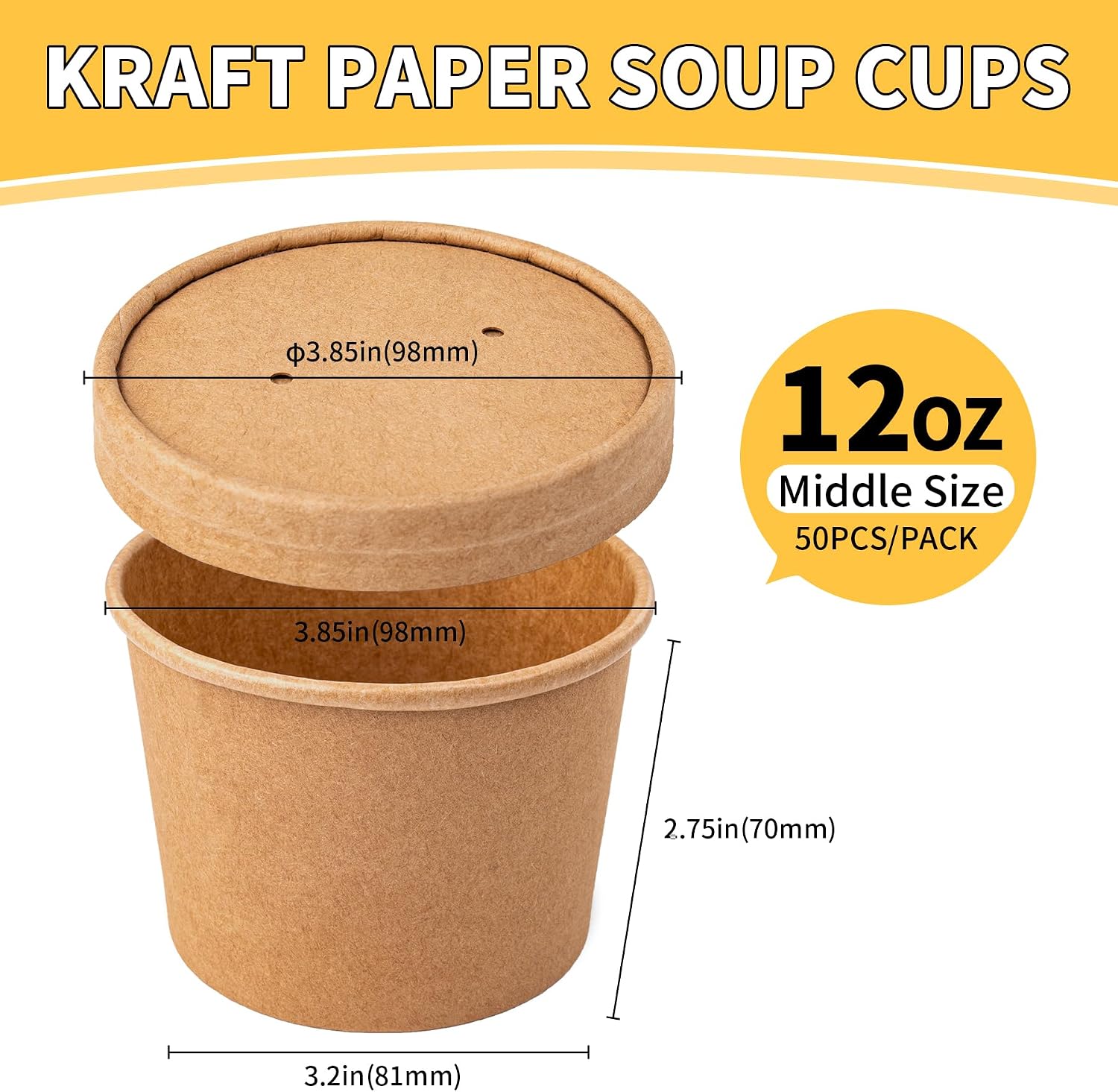
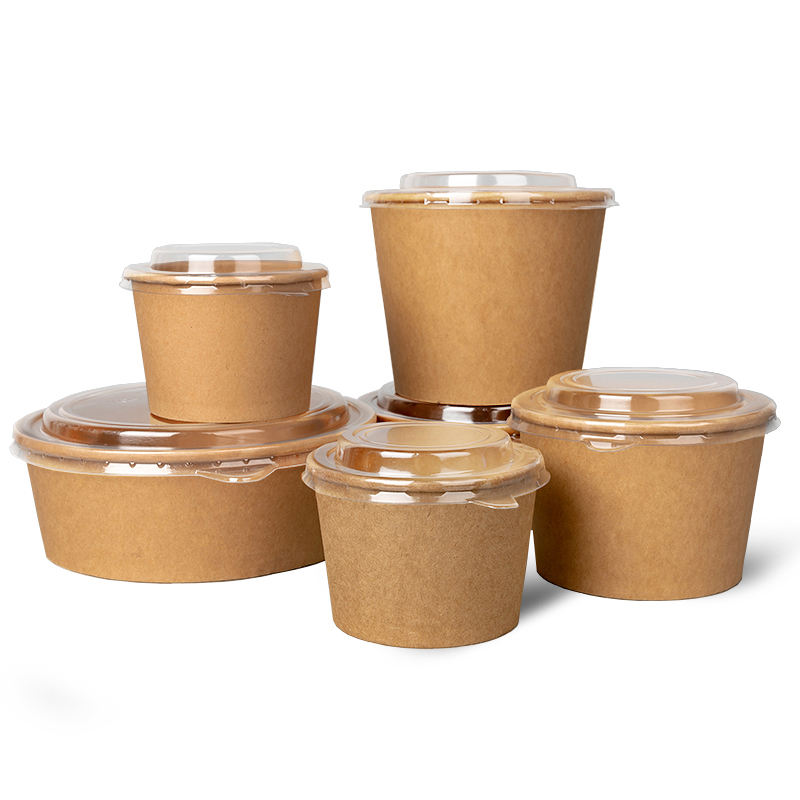
Disposable Small Soup Bucket With Lid
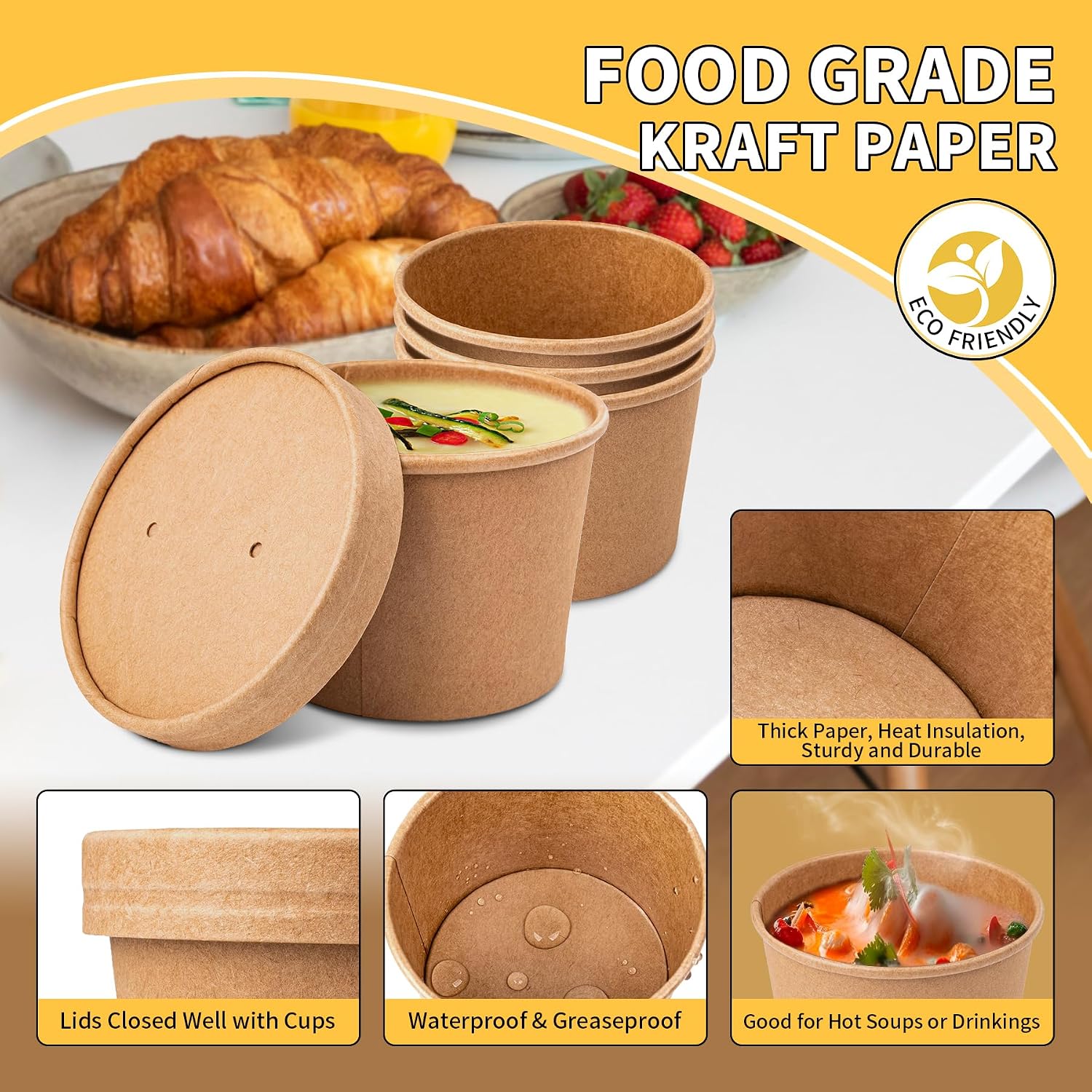
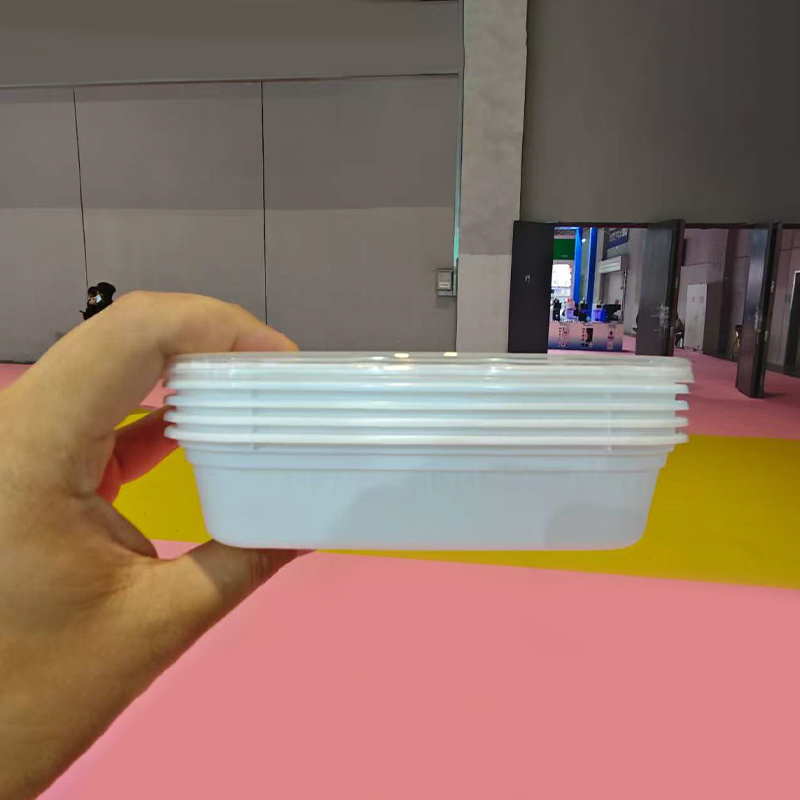
Made of food-grade material, it is heat-resistant, leak-proof, and scald-proof; the lid seals and locks in freshness, suitable for packaging small quantities of soup; it is compact, portable, and easy to stack, suitable for both home and commercial use, clean, convenient, and worry-free.
Product Parameters:
115x89x80 (530ml capacity)
Key Advantages
Product Specifications
Application Scenarios
FAQs
Usage Notes
Temperature Resistant & Anti-scald: The food-grade high-temperature material works with the bucket wall structure to keep the external temperature within a handleable range when holding hot liquids, eliminating the need for additional anti-scald bags.
Sealed & Fresh-keeping: The matching lid tightly fastens to the bucket mouth, preventing soup leakage during transportation and slowing down heat loss of the internal food.
Capacity Matched: The 530ml size is designed for single-serving soups or small saucy dishes, aligning with the catering industry’s portion control standards to reduce waste.
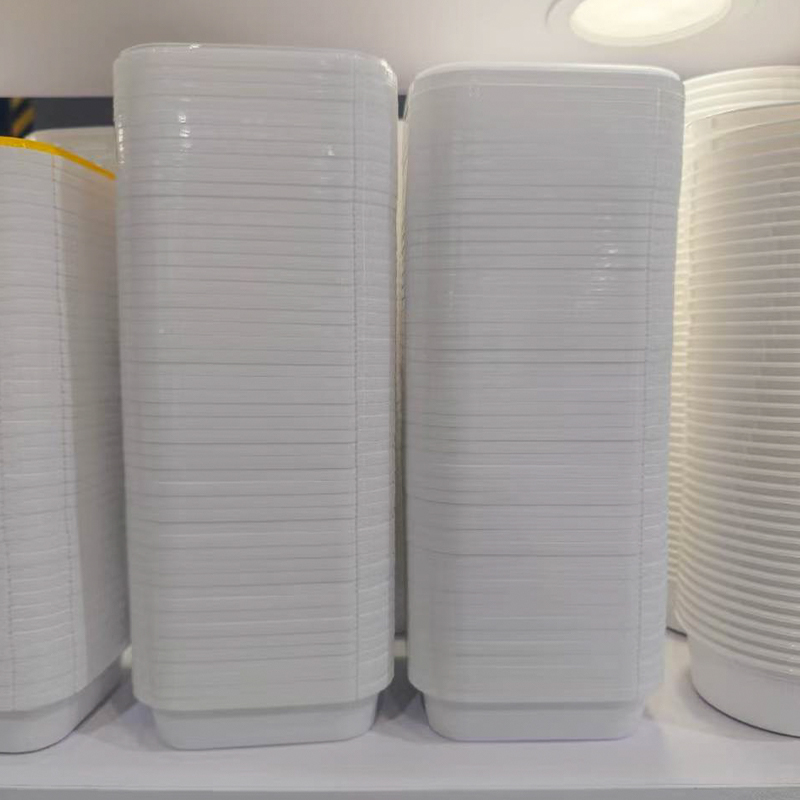
Storage & Transport Friendly: Empty buckets support nested stacking, reducing storage footprint and shipping volume. They separate easily during use for a simple operational process.
Safe & Hygienic: Made of food-contact raw paper and coatings with no harmful additives. The factory packaging is airtight, ensuring hygienic guarantees for both home and commercial use.
|
Model & Size |
16oz (Capacity 530ml) |
|
Dimensions |
115mm (Top Diameter) x 89mm (Bottom Diameter) x 80mm (Height) |
|
Category |
Disposable Food Packaging Paper Bucket |
|
Material |
Food-grade high-temperature resistant paper + Leak-proof inner coating |
|
Inclusions |
Matching leak-proof sealing lid |
|
Structure |
Integrated curled-edge bucket body + Snap-on lid |
Chinese Fast Food & Noodle Shops: Used for packing single-serving soups, bone broth noodles, wontons, and other or side dishes with broth.
Porridge Shops & Light Meal Takeout: Holding small portions of liquid food like multigrain porridge or sweet soup, convenient for delivery riders.
Home Kitchen Backup: Used for storing leftover soup in the refrigerator or as a container for microwave heating (subject to confirming the material’s microwave suitability).
Group Meals & Event Distribution: Serving as a single-serving hot soup container at conferences or exhibitions, offering quick distribution and easy cleanup.
Q1: What should I do if soup leaks from the seams when packing high-temperature hot soup?
A: The bucket mouth of this product is curled, and it must be used with the dedicated sealing lid. After filling, ensure the buckles around the lid are fully pressed evenly to the same level. Also, leave about 1-2cm of space from the top to prevent liquid from touching the inner lid and overflowing.
Q2: How should I handle the situation where I cannot hold the bucket directly with both hands after filling it with hot soup?
A: The material of the paper bucket itself has an insulating effect and can be held briefly under normal filling conditions. If holding liquids near boiling, it is recommended to use a carry-out paper bag or a tray for safer anti-scald protection.
Q3: Will empty buckets soften in a humid kitchen environment?
A: Unused empty buckets should be stored in a cool, dry place. Although the inner wall has a leak-proof coating, the raw paper may still absorb moisture from the air in long-term high-humidity environments. It is recommended to seal the packaging after opening or use it as soon as possible.
·When filling liquids, do not exceed the maximum capacity line to prevent overflow after closing the lid.
·Please confirm whether the inner coating material of the purchased batch supports microwave heating. Models that do not support microwaving are strictly prohibited from being put into a microwave.
·Foods with high oil content or strong acid/alkali properties may have a localized impact on the leak-proof coating; it is recommended to consume them as soon as possible after filling.
·Before disposal, please pour out any leftover food and sort it according to local waste classification standards (paper buckets with PE/PLA coatings may need to be classified as general waste or compostable waste in some areas).
-
0 m²
Production Base
-
0+ Year
Industry Experience
-
0+
Advanced Machines
Our Story
Eco-Friendly Packaging Solutions, Professional Production, and Reliable Quality.
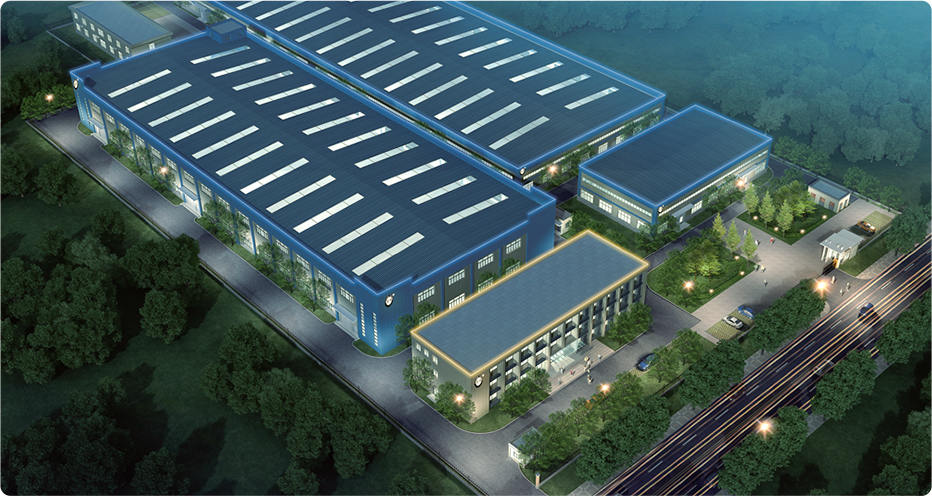
Anhui Guanxuan Environmental Protection Technology Co., Ltd., established in March 2016, is located in the heart of the Yangtze River Delta, providing convenient access to major markets and efficient logistics.
The company focuses on research, development, production, and sales of eco-friendly packaging products. Our facility includes over 200 units of advanced production equipment, covering intelligent production lines for lamination, printing, paper cups, paper bowls, plastic products, and tableware packaging. We offer high-quality, customizable packaging solutions designed to meet the diverse needs of food service and retail businesses.
The company focuses on research, development, production, and sales of eco-friendly packaging products. Our facility includes over 200 units of advanced production equipment, covering intelligent production lines for lamination, printing, paper cups, paper bowls, plastic products, and tableware packaging. We offer high-quality, customizable packaging solutions designed to meet the diverse needs of food service and retail businesses.


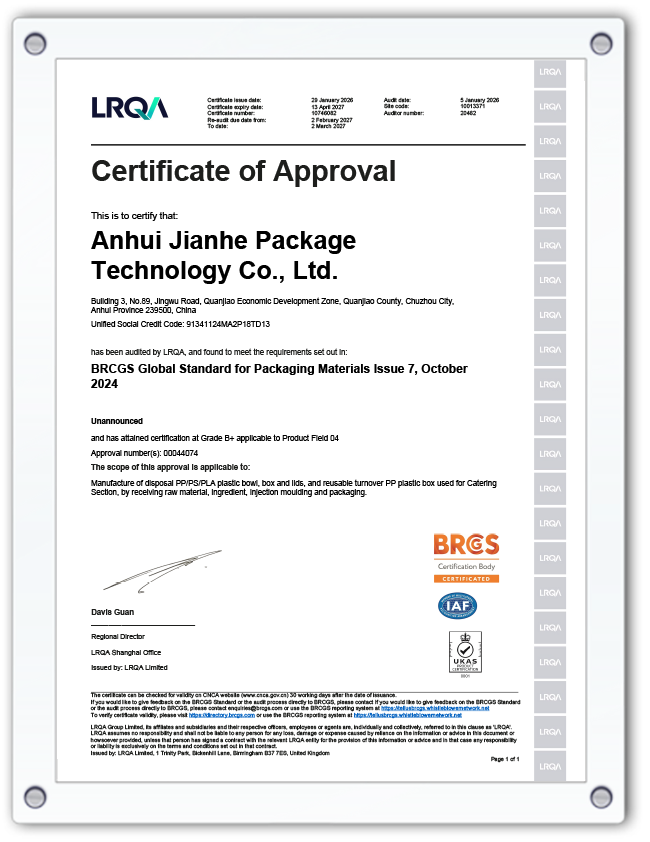
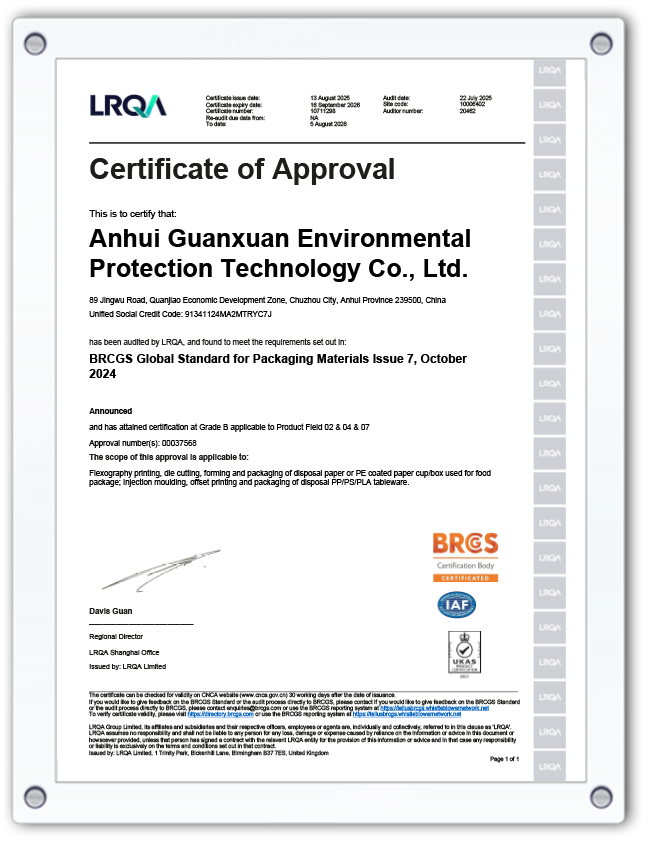
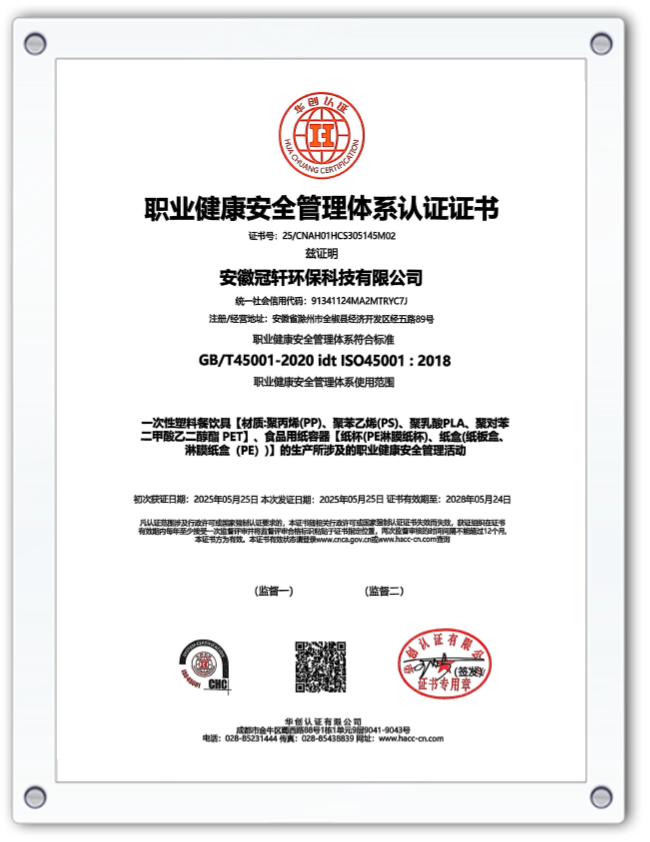
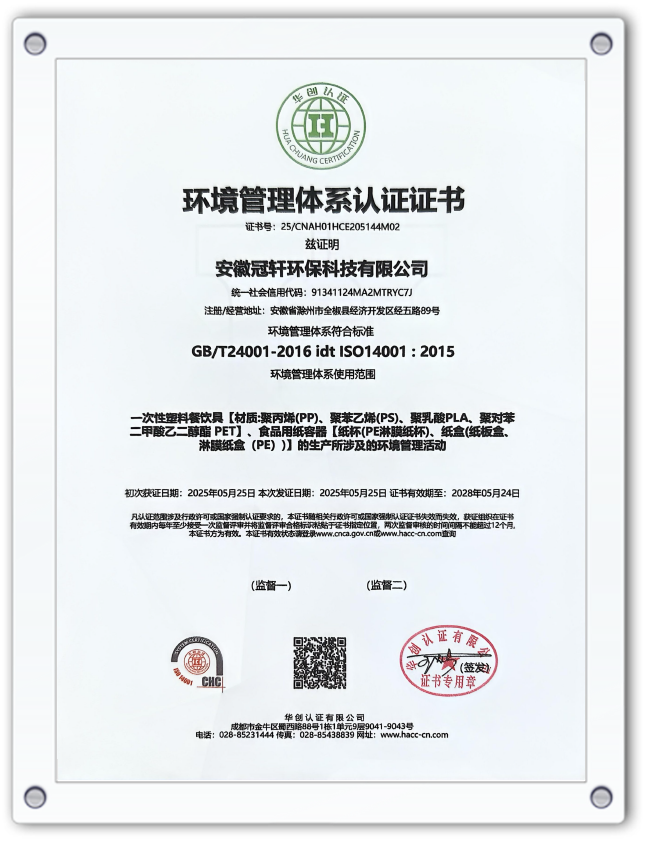
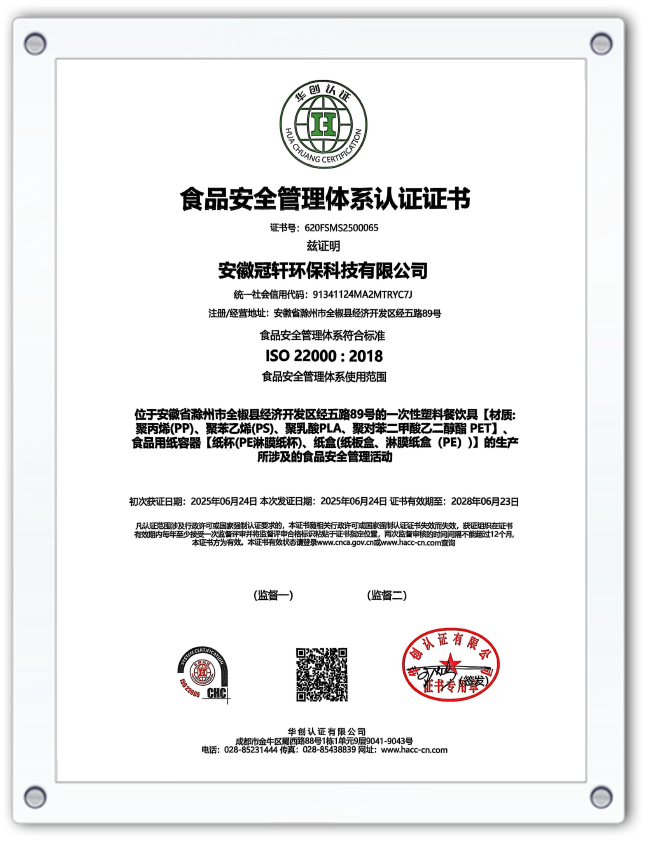
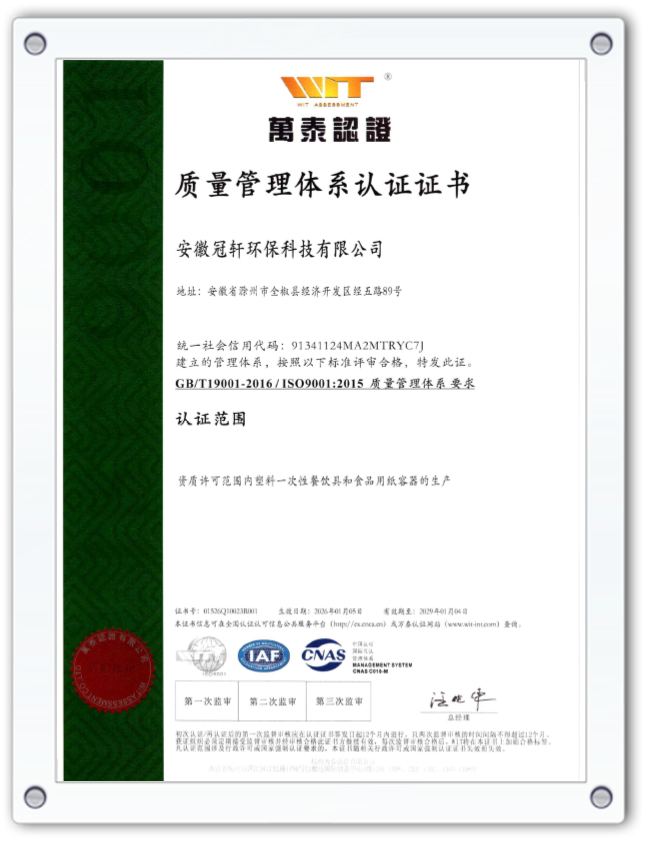
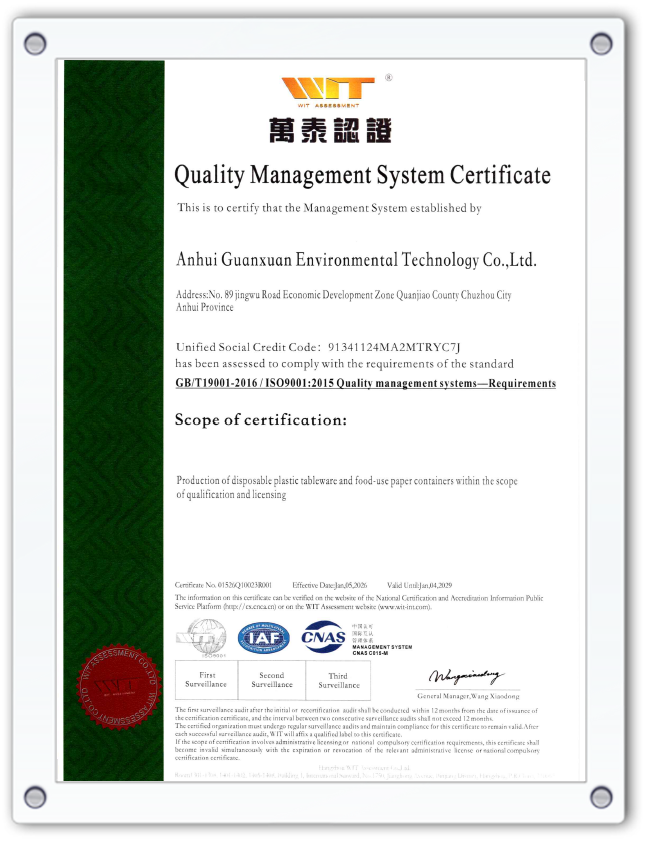
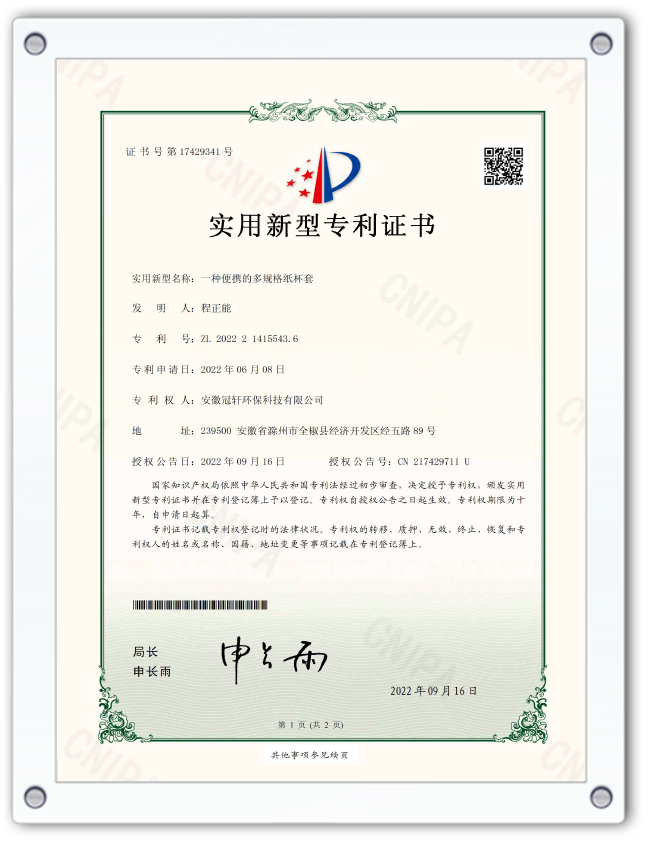
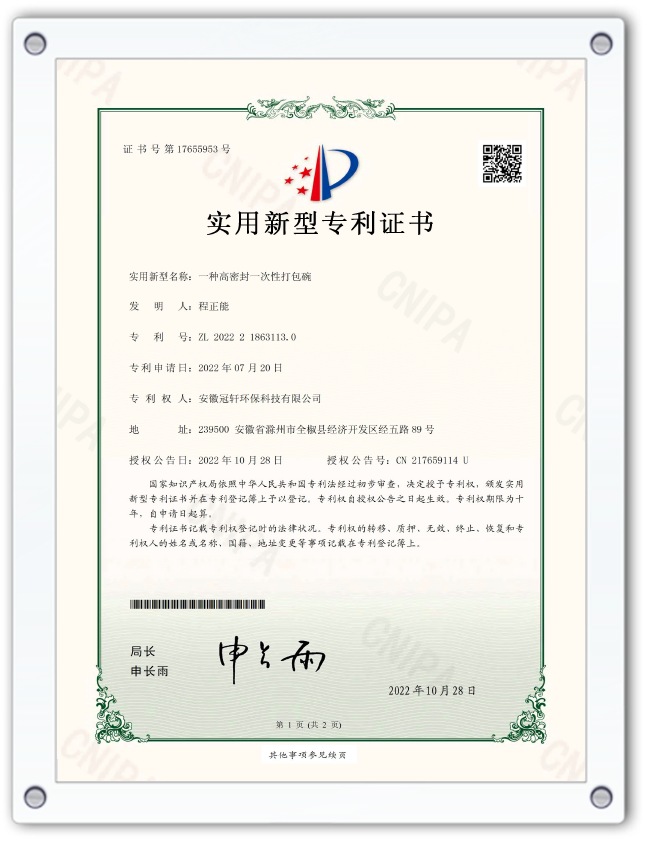
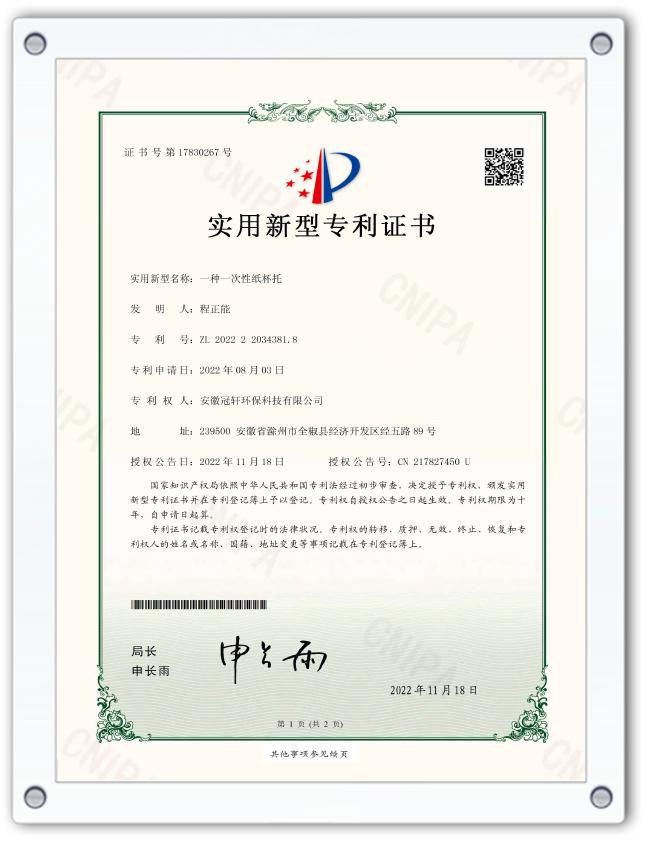
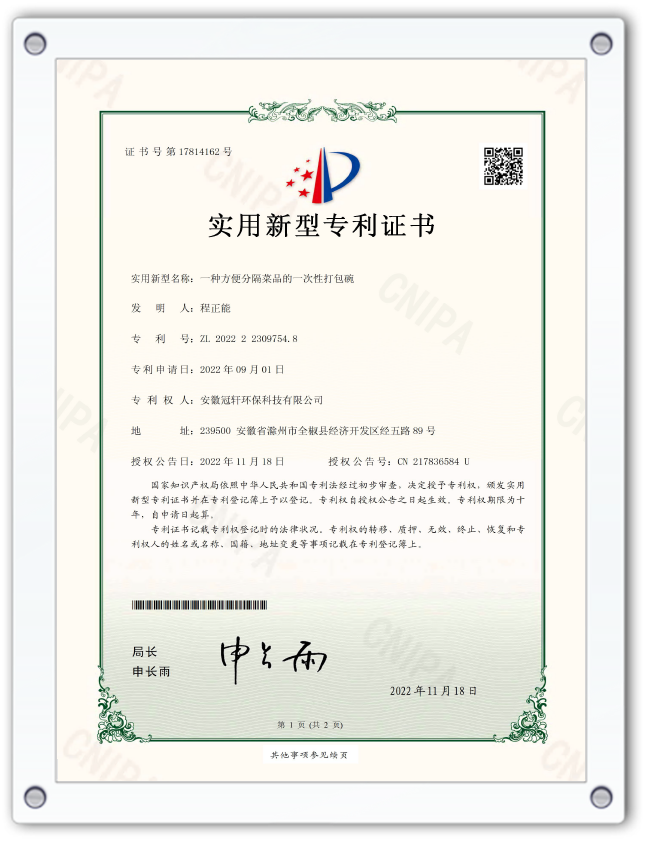
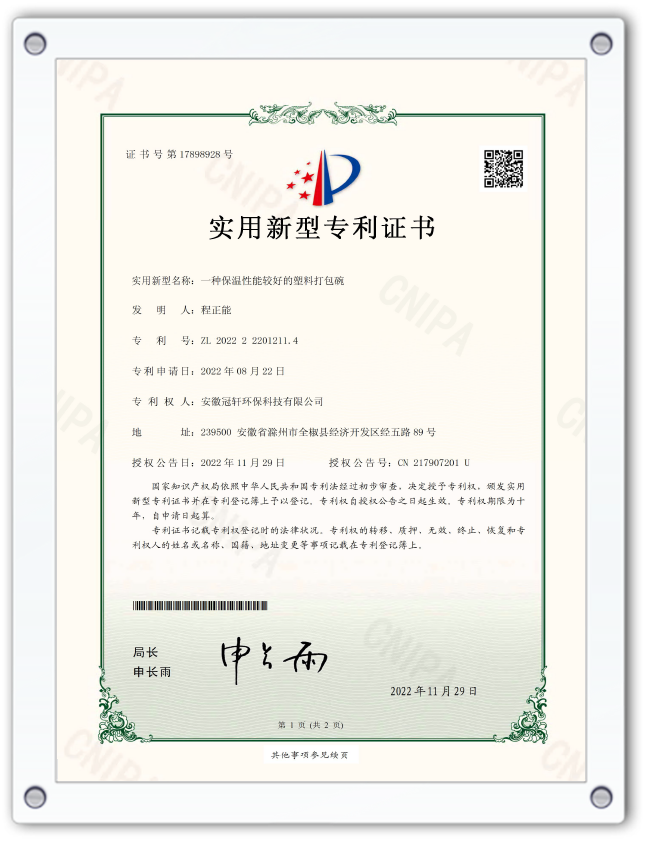
Certificate Of Honor
OUR NEWS
Pay Attention To Our Latest News and Exhibitions
Message Feedback

GUANXUAN
Delivering safer, greener packaging solutions for our customers and working with partners to build a more sustainable future
Ready to Begin?
Quick Links
Product Categories
Contact Information
 Email: [email protected]
 Phone: +86-0550-2308923
 Address: No. 89 Jingwu Road, Economic Development Zone, Quanjiao County, Chuzhou City, Anhui Province, China
QR Code

Copyright © Anhui Guanxuan Environmental Protection Technology Co., Ltd. All rights reserved.
